
American Man Eats This Popular Food, Predictably Develops Debilitating Migraines. Here’s Why
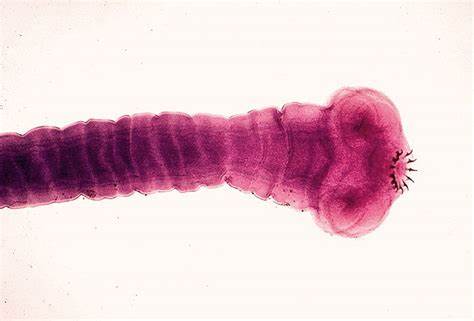
A startling medical case has emerged, shedding light on the unexpected link between a man’s chronic migraines and a hidden menace lurking within his brain: tapeworm larvae. The tale unfolds with an American man, aged 52, whose worsening migraines ultimately led to a surprising diagnosis of neurocysticercosis – a parasitic infection caused by tapeworm larvae residing in the brain tissue.
Published in the American Journal of Case Reports, the study chronicles the journey of this unidentified patient whose migraines intensified over four months, defying conventional treatments. Upon admission to the hospital and subsequent CT scans, a grim revelation surfaced – numerous cystic foci, indicative of fluid-filled sacs within the brain. Further tests confirmed the presence of neurocysticercosis, unraveling a rare yet concerning medical condition.
Neurocysticercosis, a form of parasitic tissue infection caused by the larval stage of the pork tapeworm, is a condition more commonly associated with regions of poor sanitation in the developing world. However, what made this case particularly intriguing was the absence of recent travel to high-risk areas. Instead, a seemingly innocuous habit came under scrutiny – the patient’s penchant for consuming lightly cooked, non-crispy bacon throughout his life.
The medical investigation suggests a plausible connection between the patient’s dietary preferences and the transmission of the tapeworm larvae. Speculating on the mode of transmission, researchers proposed that the patient might have contracted the tapeworm himself due to improper handwashing after handling contaminated pork. This hypothesis points towards autoinfection, where the individual becomes the unwitting host of the parasite after initial exposure.
Prompt treatment with anti-parasitic and anti-inflammatory medications proved successful, with regression of brain lesions and improvement in headaches observed in the patient. Nevertheless, this case serves as a stark reminder of the potential risks associated with consuming undercooked pork products, particularly in regions where neurocysticercosis remains endemic.

