
What’s in Your Drink? New Study Finds Microplastics in Every Beverage Tested
You might want to think twice before reaching for that piping-hot cup of tea.
A new study from the University of Birmingham has revealed that every beverage tested — from soda and juice to coffee and tea — contains microplastics, tiny fragments of plastic that have infiltrated nearly every part of our environment, including what we drink.
Researchers analyzed 155 popular beverages sold in UK supermarkets and coffee shops and found microplastic contamination in 100% of samples. But while plastic particles were found across the board, the levels varied dramatically, and temperature turned out to be a major factor in how much plastic ends up in your drink.
Hot Drinks, More Plastic
According to the researchers, hot tea had the highest concentration of microplastics, with 49 to 81 particles per liter, more than double the amount found in iced tea (24 to 38 particles per liter). The culprit? Heat.
“We found a ubiquitous presence of microplastics in all the cold and hot drinks we looked at, which is pretty alarming,” said Mohamed Abdallah, lead author of the study, in an interview with The Independent. “But drinks served at higher temperatures showed significantly higher microplastic concentrations.”
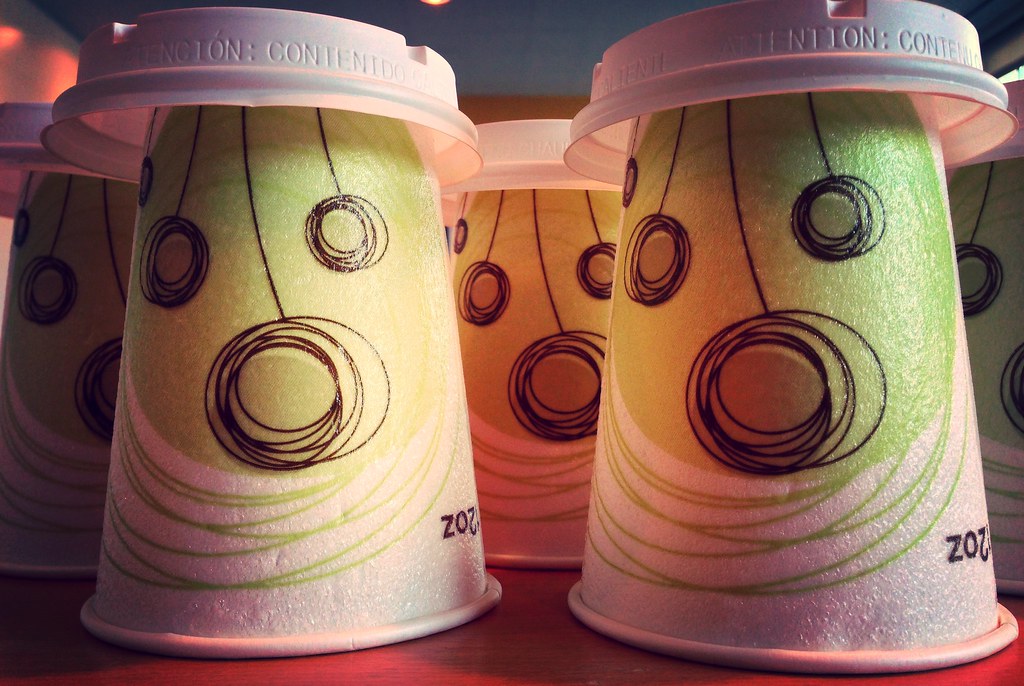
The findings suggest that heat accelerates the release of plastic particles from packaging — particularly disposable cups. Hot tea served in standard takeaway containers had an average of 22 microplastics per cup, while tea brewed in glass containers had fewer: just 14 particles per cup.
While cold drinks generally had fewer microplastics, they weren’t exactly clean.
Fruit juices contained between 19 and 41 microplastics per liter
Energy drinks had between 14 and 36
Soft drinks fared best, but still averaged 13 to 21 microplastics per liter
The microplastics found ranged in size from 1 nanometer to 5 millimeters and originated from packaging materials, processing equipment, and environmental contamination. These tiny particles — too small to see with the naked eye — are now being detected in everything from bottled water to breast milk.
What Does It Mean for Your Health?
While the full health effects of microplastic ingestion remain under investigation, early studies are concerning. Microplastics have been found accumulating in critical organs, including the:
Bloodstream
Brain
Lungs
Kidneys
Testicles
Placentas
They may damage cells, disrupt gut bacteria, and trigger inflammation, all of which could impair immune function, hormone regulation, and even accelerate aging. Microplastics can also act as carriers for toxic chemicals like heavy metals and hormone-disrupting compounds, which may interfere with metabolism and reproduction.
Photo credit: Flickr

