An Ancient Biblical Prophecy is Unfolding in Dead Sea
An ancient biblical prophecy linked to the end of the world may be beginning to unfold at the Dead Sea.
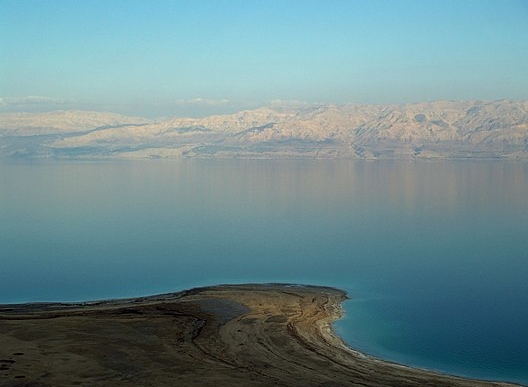
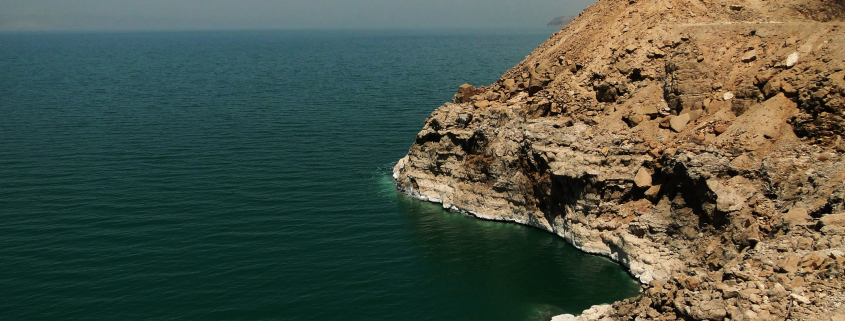
The Dead Sea is a landlocked salt lake bordered by Jordan to the east, the West Bank to the west, and Israel to the southwest. It sits in the Jordan Rift Valley and is the lowest land elevation on Earth.
Freshwater pools filled with plants and aquatic life have emerged beside the famously barren body of water, about 12 miles east of Jerusalem. . .
The dramatic change mirrors visions recorded by the prophets Ezekiel and Zechariah more than 2,500 years ago, which described living waters flowing east from Jerusalem and bringing life to the Dead Sea.
The visions say the deadly waters will eventually be healed, allowing fruit trees to flourish and fishermen to spread their nets along the shore.
Believers have claimed that the changes could represent an early glimpse of a prophecy connected to catastrophic wars, the return of Christ and humanity’s final judgment. (Read more from “An Ancient Biblical Prophecy is Unfolding in Dead Sea” HERE)