U.S. Maintains Neutral Stance as El Salvador Removes Presidential Term Limits
The United States has taken a non-interventionist approach to recent sweeping constitutional reforms in El Salvador, which include eliminating presidential term limits and the country’s runoff voting system. The move has drawn polarized reactions across the political spectrum, but the U.S. State Department emphasized the nation’s right to self-govern.
In a statement to Spain’s EFE news agency, the U.S. government affirmed that it would not interfere in El Salvador’s internal decisions, underscoring the democratic nature of the country’s legislature and its authority to amend the constitution.
“The legislative assembly of El Salvador was elected democratically to promote the interests and policies of its electors,” the statement read. “The decision to make constitutional changes is theirs. It is up to them to decide how to govern their country.”
This response followed a controversial vote by El Salvador’s Legislative Assembly last week that formally removed presidential term limits—a provision that had existed in some form since 1841. The reforms also abolished the two-round presidential runoff system, meaning future presidential elections will be decided by simple majority in a single vote.
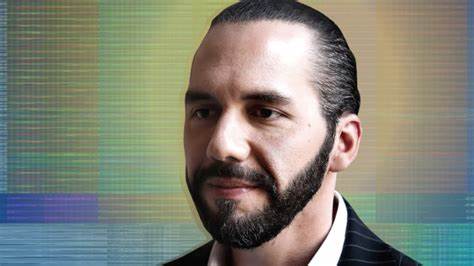
President Nayib Bukele, who first took office in 2019, was reelected in 2024 with a resounding 85% of the vote. He sidestepped existing term limit restrictions by resigning from the presidency prior to running, technically making him a non-incumbent candidate. The election was certified by the Organization of American States (OAS) as legitimate, with observers noting no irregularities.
Bukele’s approval ratings have soared largely due to his uncompromising crackdown on organized crime, especially gang violence that had long plagued Salvadoran communities. Supporters credit him with restoring order to daily life, while critics warn that his popularity is allowing him to consolidate power in ways that could erode democratic safeguards over time.
The State Department’s statement pushed back against comparisons between El Salvador and authoritarian regimes in the region, asserting that the Salvadoran process was rooted in constitutional authority.
“We reject the comparison of the legislative process of El Salvador, based on democracy and constitutionally sound, to illegitimate dictatorial regimes in other parts of our region,” it stated.
The Trump administration’s stance mirrors its broader foreign policy philosophy of prioritizing national sovereignty and discouraging intervention in the domestic affairs of allied nations.
President Bukele addressed criticism from international observers and media outlets with a sharp rebuke, accusing critics of holding his country to a double standard.
“90% of developed countries allow the indefinite reelection of their head of government, and no one bats an eye,” Bukele said in a widely circulated social media post. “But when a small, poor country like El Salvador tries to do the same, suddenly it’s the end of democracy.”
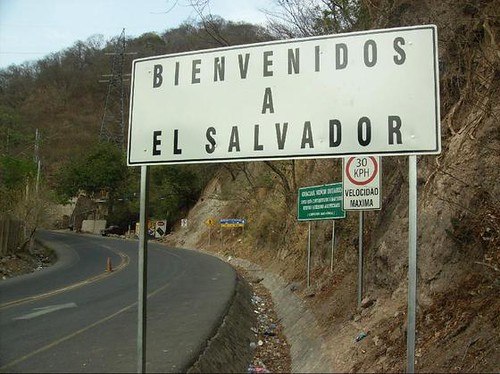
Photo credit: Flickr