Posts

This Fruit Compound Shows Anti-Aging Effects on Human Body

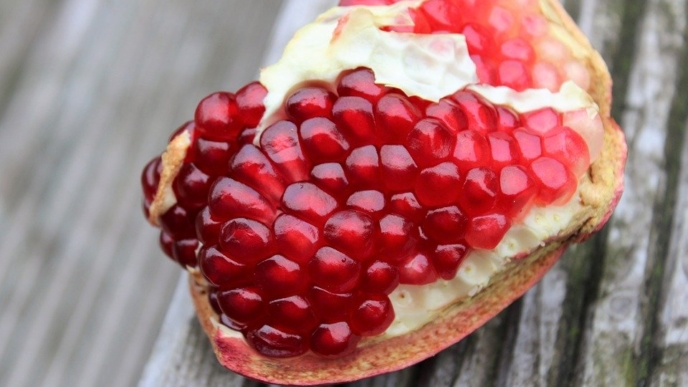
In a new study, researchers found that urolithin A, a metabolite of biomolecules found in pomegranates and other fruits, could help slow certain aging processes in the human body.

The compound could slow down this process by improving the functioning of mitochondria—the cells’ powerhouses. . .

When ingested, these molecules are converted into a compound called urolithin A (UA) in the human gut.

In the study, the researchers found that UA can slow down the mitochondrial aging process. The catch is that not everyone produces UA naturally.

The results were compelling: UA stimulates mitochondrial biogenesis—the process by which cells increase mitochondrial mass—in the same way as regular exercise. (Read more from “This Fruit Compound Shows Anti-Aging Effects on Human Body” HERE)

Follow Joe Miller on Twitter HERE and Facebook HERE

We Have No Bananas. Yes, We Really Don’t.

. . .The Gros Michel, the favored variety of the yellow staple also known as Big Mike, was all but wiped out after a blight of Panama disease attacked plantations across Central America. Stubbier and sweeter than the elongated Cavendish we know today, the banana Americans knew and loved for its longer-lasting freshness and bruise resistance was no more – at least, not in the numbers required to export en masse.

Today growers are concerned that the same fate awaits the Cavendish which comprises 99 percent of bananas sold in the United States.

Being seedless, the Gros Michel cultivars are clones just like the Cavendish. Nobody wants seeds in their bananas. They’re big, hard, and take up all the space where the tasty bits are supposed to be. But breeding the seeds out (or rendering them so small as to be non-functional) equates to new banana plants having to be grown via shoots and cuttings. The lack of genetic diversity in the species spells disaster for the plant’s ability to mutate to combat assorted diseases.

So, while the static Cavendish rose in favor due to its immunity to Panama disease, Panama disease evolved. This new strain of Fusarium wilt, commonly known as TR4, is menacing the poor clones. Plantations in Australia and Southeast Asia have taken a pounding over the past decade. Carried on the boots of plantation workers, the fungus is easily spread and is now reported in Africa and the Middle East.

But the fight is on … in the lab and now in the fields. (Read more from “We Have No Bananas. Yes, We Really Don’t.” HERE)

Follow Joe Miller on Twitter HERE and Facebook HERE.