Posts

Trump Vows No Cease-Fire With Iran, Predicts Strait of Hormuz May ‘Open Itself’

President Trump said Friday that he’s not interested in a potential cease-fire with Iran — and that he thinks the Strait of Hormuz could “open itself.”

“I don’t want to do a cease-fire. You know, you don’t do a cease-fire when you’re literally obliterating the other side,” Trump said while leaving the White House, responding to a question about Pope Leo XIV calling for a cease-fire.

“From a military standpoint, all they’re doing is clogging up the strait. But from a military standpoint, they’re finished,” Trump said.

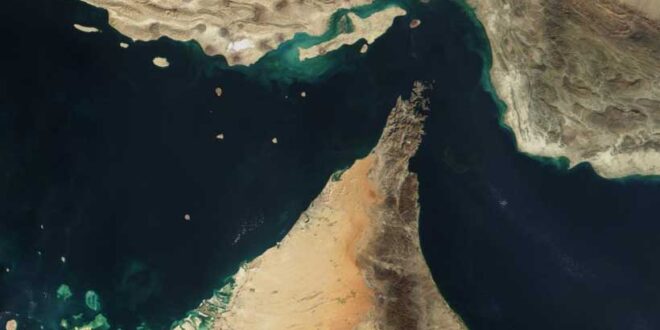
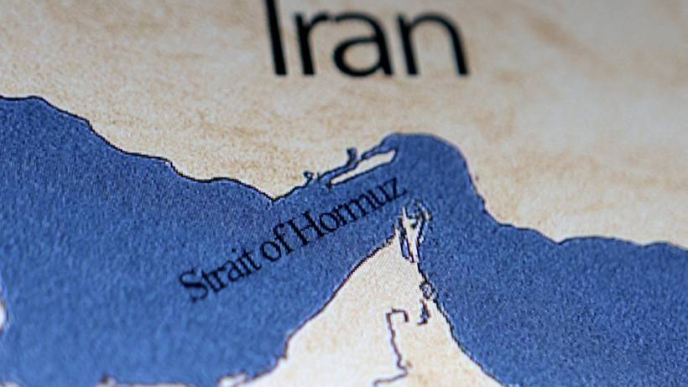
Iran’s closure of the strait for three weeks has caused a surge in oil prices — with Tehran vowing to use it as a strategic point of pressure against the US and Israel.

Trump told reporters that opening the strait would require a “simple military maneuver” before saying no action at all may be needed. (Read more from “Trump Vows No Cease-Fire With Iran, Predicts Strait of Hormuz May ‘Open Itself’” HERE)

Photo credit: Gage Skidmore via Flickr

Iran Test-Fires Missiles Near Strait of Hormuz

TEHRAN, Iran (AP) — Iran’s navy said Monday it test-fired a range of weapons during ongoing maneuvers near the Strait of Hormuz, the passageway for one-fifth of the world’s oil supply.

IRNA quoted Adm. Amir Rastgari, spokesman for the exercise, as saying the Iranian-made air defense system Raad, or Thunder, was among the weapons tested, along with various torpedoes and underwater and surface-to-surface rockets as well as anti-ship missiles. The Islamic Republic said it also deployed domestically-made hovercraft during the operation.

The Raad system was on show during a military parade in Tehran in September for the first time. Iran says is more advanced than its Russian predecessor and is designed to confront fighter jets, cruise missiles, smart bombs, helicopters and drones. Iran said the system fires missiles with a range of 50 kilometers (30 miles), capable of hitting targets at 22,000 meters (75,000 feet).

Tehran has tried to build a self-sufficient military program since 1992. It frequently announces technological breakthroughs, most of which cannot be confirmed independently.

Read more from this story HERE.

US rushing dozens of submersible killer drones to Persian Gulf

The Navy is rushing dozens of unmanned underwater craft to the Persian Gulf to help detect and destroy mines in a major military buildup aimed at preventing Iran from closing the strategic Strait of Hormuz in the event of a crisis, U.S. officials said.

The tiny SeaFox submersibles each carry an underwater television camera, homing sonar and an explosive charge. The Navy bought them in May after an urgent request by Marine Gen. James Mattis, the top U.S. commander in the Middle East.

Each submersible is about 4 feet long and weighs less than 100 pounds. The craft are intended to boost U.S. military capabilities as negotiations with Iran over its nuclear program appear to have stalled. Three rounds of talks since April between Iran and the five countries in the United Nations Security Council plus Germany have made little progress.

Some U.S. officials are wary that Iran may respond to tightening sanctions on its banking and energy sectors, including a European Union oil embargo, by launching or sponsoring attacks on oil tankers or platforms in the Persian Gulf. Some officials in Tehran have threatened to close the narrow waterway, a choke point for a fifth of the oil traded worldwide.

The first of the SeaFox submersibles arrived in the Gulf in recent weeks, officials said, along with four MH-53 Sea Dragon helicopters and four minesweeping ships, part of a larger buildup of U.S. naval, air and ground forces in the region aimed at Iran.

Read more from this story HERE.

Photo credit: Official U.S. Navy Imagery