
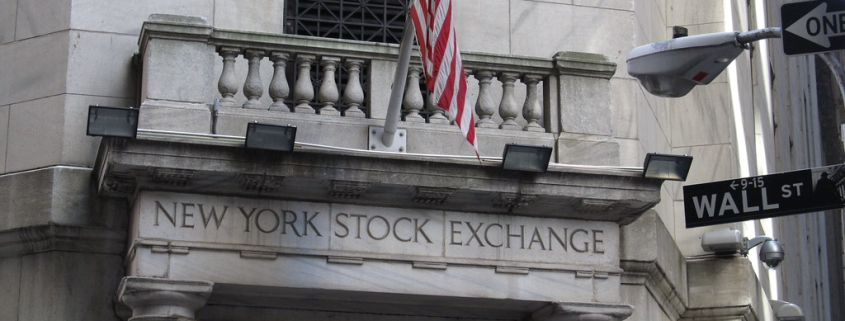
Wall Street Expected To Have Its Best Year Ever As Americans Drown In Debt
Money is flooding Wall Street as Americans thirst for financial relief amid war-fueled inflation and soaring household debt.
New York’s securities industry is on pace to blow past last year’s record profits, according to a new report from New York State Comptroller Thomas DiNapoli. Wall Street firms made $45.9 billion in just the first half of 2026, already eclipsing what New York City expected them to make for the entire year.
The money has poured in as companies race to build artificial intelligence infrastructure, businesses return to the dealmaking table and investors trade through a year marked by war, tariffs and market swings, the Comptroller’s report found. Virtually every major Wall Street revenue stream grew during the first half of the year, with underwriting seeing particularly strong gains.
Wall Street’s boom looks much different from the economy many Americans are living in. Families have rationed showers and hauled water from creeks as water bills climb into the hundreds of dollars, while gasoline prices have risen sharply and record diesel costs threaten to make already expensive grocery bills even worse due to the wars in Iran and Ukraine.
Many Americans are leaning increasingly on borrowed money. Household debt has continued to climb, with consumers carrying growing credit card and auto loan balances as high interest rates make that debt more expensive to service, according to the Federal Reserve Bank of New York. (Read more from “Wall Street Expected To Have Its Best Year Ever As Americans Drown In Debt” HERE)
Photo credit: Flickr


