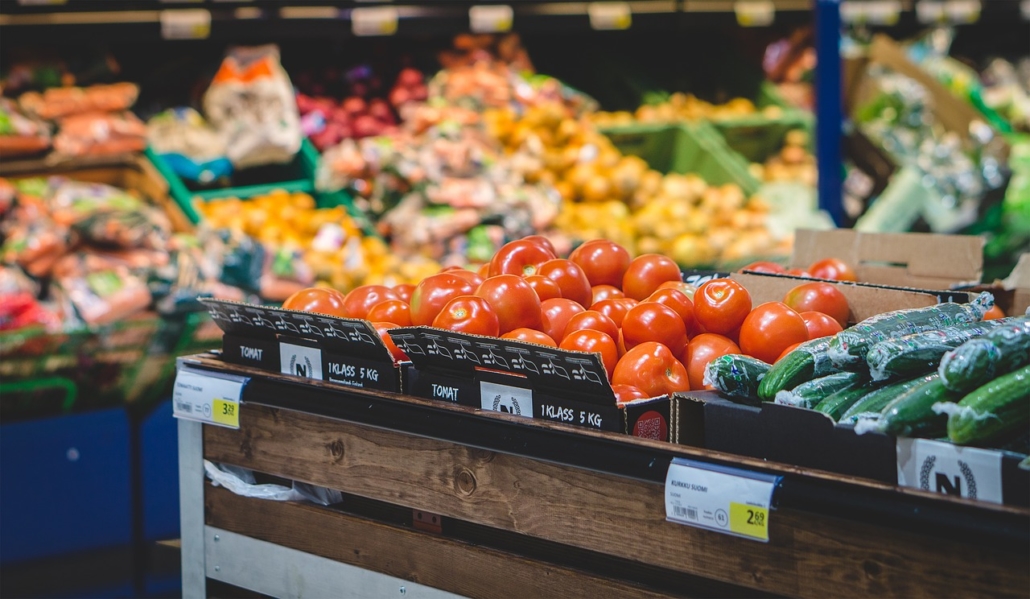
Food Prices Are Surging After Virus Upends Supply Chains
By Northwest Georgia News. As the coronavirus pandemic penetrates more deeply into global supply chains, prices for key staples are starting to soar in some parts of the world.
Rice and wheat — crops that account for about a third of the world’s calories — have been making rapid climbs in spot and futures markets. For countries that rely on imports, this is creating an added financial burden just as the pandemic shatters their economies and erodes their purchasing power. In Nigeria, for example, the cost of rice in retail markets soared by more than 30% in the last four days of March alone.
It’s unclear what the biggest drivers were for the retail prices, whether it was a trickle-down effect from grain futures or local logistical choke points or panic buying, or a combination. . .
There are also signs that price gains could be making their way to consumers for some foods in the U.S. Wholesale egg prices rose to a record as grocers boosted orders by as much as six times normal volumes. Beef also surged, though some of the gains have eased in the last week.
Wheat and rice are the world’s most consumed food crops. Staple-crop prices have a long history of fueling political instability. During the spikes of 2011 and 2008, there were food riots in more than 30 nations across Africa, Asia and the Middle East. (Read more from “Food Prices Are Surging After Virus Upends Supply Chains” HERE)
______________________________________________________
As COVID-19 Spreads, Commodity Markets Rumble
By Mongabay. . .Across the world, countries are virtually shutting down in hopes that severe restrictions on movement and commercial activity inside their borders will slow the spread of the disease. The economic impact of these measures has already led some economists to predict a crisis to follow that could rival the 2008 recession — or worse.
Commodity markets are already starting to feel the squeeze, as producers anticipate an economic downturn that could last for months or longer. And economists say it may only be the beginning.
“It is obviously a little early to tell,” Sven Wunder, principal scientist at the European Forest Institute, said in an email to Mongabay. “Just one month ago, we were still at all-time US stock markets highs. But we could well see a game-changing 1929 type of watershed moment for the world economy.”
Economic crises have historically had a major impact on the environment. Reduced demand for commodities like timber, vegetable oil, and beef can alleviate pressure on forests, and extractive industries are less likely to invest in exploration or new projects during a recession. The precipitous decline in oil prices this year, for example, has already cut exploration budgets in Brazil by 20%.
So far, the effects of the coronavirus pandemic on commodity markets have been mixed. The price of timber dropped by nearly half in March on expectations of a slowdown in construction, and palm oil is down by nearly 15% since the beginning of 2020, partly due to a dramatic decline in oil prices that has reduced demand for biofuels. On April 2, the U.N. Food and Agriculture Organization said that food prices have dropped overall, including a 12% decline in the vegetable oil price index. (Read more from “As COVID-19 Spreads, Commodity Markets Rumble” HERE)
Follow Joe Miller on Twitter HERE and Facebook HERE