
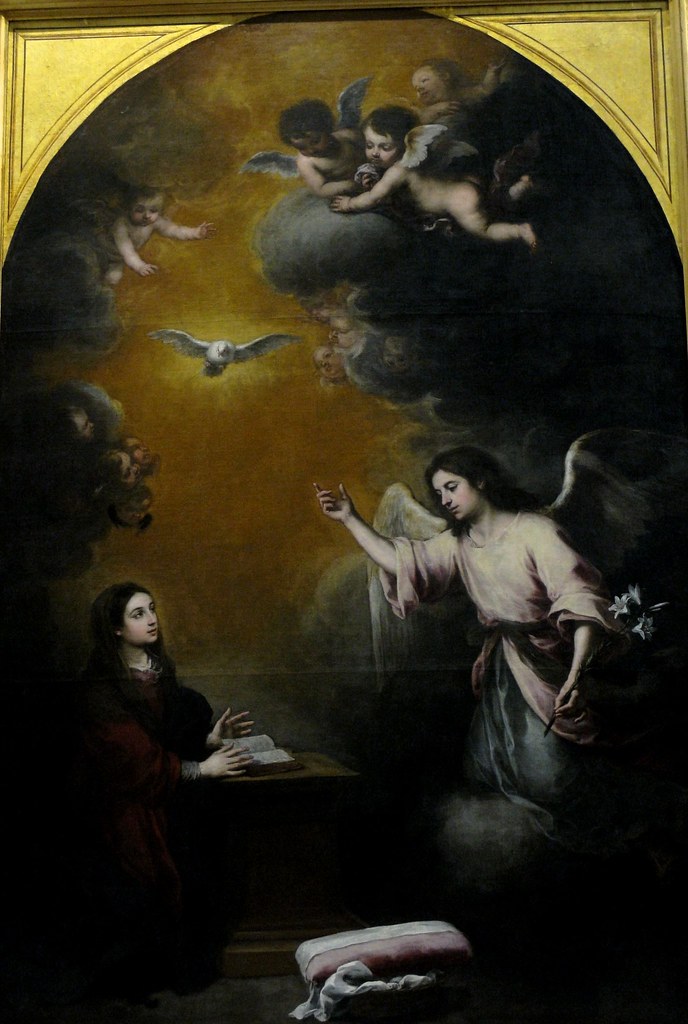
Profound Mystery Lies at the Heart of Christmas — And Christians Must Embrace It
This weekend, I saw a person on X bemoaning the fact that Christians believe so many supernatural things. This guy praised multiple ethical teachings of Christianity and then framed Christianity as something that would be much more palatable if we weren’t so insistent on the miracles.
The miracles can seem like a stumbling block in the minds of those who are committed to a closed universe, a universe in which there is no God at work. Some people prefer a more deistic approach to things: If there is a God, he is remote because he withdrew after he set everything in motion. From that standpoint, natural laws are the way things are and the way things will always be.
Getting rid of the miraculous might be an appealing strategy to some people, because — from a secular view — non-miraculous teachings and stories are easier to believe. . .
This tactic didn’t work when Thomas Jefferson purged miracles from the four Gospels and retained the moral teachings of Jesus (a project that became known as the Jefferson Bible). According to Paul in 1 Corinthians 15:12-20, the teachings of Christianity rest upon the truth of a historical bodily resurrection of Jesus. This miracle, however, follows many previous ones. . .
The Israelites flee from the Egyptians through standing walls of water. The Lord feeds his people for decades with manna on the ground every morning. Moses strikes a rock from which water flows for the thirsty people. The walls of Jericho fall after the Israelites followed specific marching instructions and a musical cue. Elijah calls down fire from heaven, and later he is taken to heaven apart from an earthly death. Shadrach, Meshach, and Abednego emerged from a fiery furnace unharmed and un-singed. (Read more from “Profound Mystery Lies at the Heart of Christmas — And Christians Must Embrace It” HERE)
Photo credit: Flickr

