Nearly 50,000 Diagnosed With 9/11-Linked Cancers; Deaths From Related Illnesses Surpass the Attack Toll
The number of first responders and others diagnosed with cancers linked to the September 11 attacks has surged to 48,579, marking a staggering 143% increase over the past five years, according to the World Trade Center Health Program (WTCHP)
New York Post.
Among the most commonly identified cancers are skin, prostate, and breast cancers, along with melanoma, lymphoma, leukemia, and cancers affecting the thyroid, kidney, lung, and bladder. Experts attribute this rise to prolonged exposure to toxic substances at Ground Zero and the Fresh Kills landfill on Staten Island.
Why the Surge?
Aging Responders: Many of those who worked in the recovery efforts are now in their late 50s and 60s. “We know that the population is aging, so we can predict that the number of cancers is going to go up,” said Dr. Steven Markowitz, an occupational medicine specialist at Queens College.
Record Enrollment: The WTCHP saw over 10,000 new enrollees in 2024, its highest number to date. As a result, more people are being monitored and diagnosed.
Death Toll and Comparison to 9/11 Casualties
As of March 27, 2025:
8,215 WTCHP enrollees had died, including 5,844 first responders.
Out of these, 3,767 had cancer, including 2,388 responders.
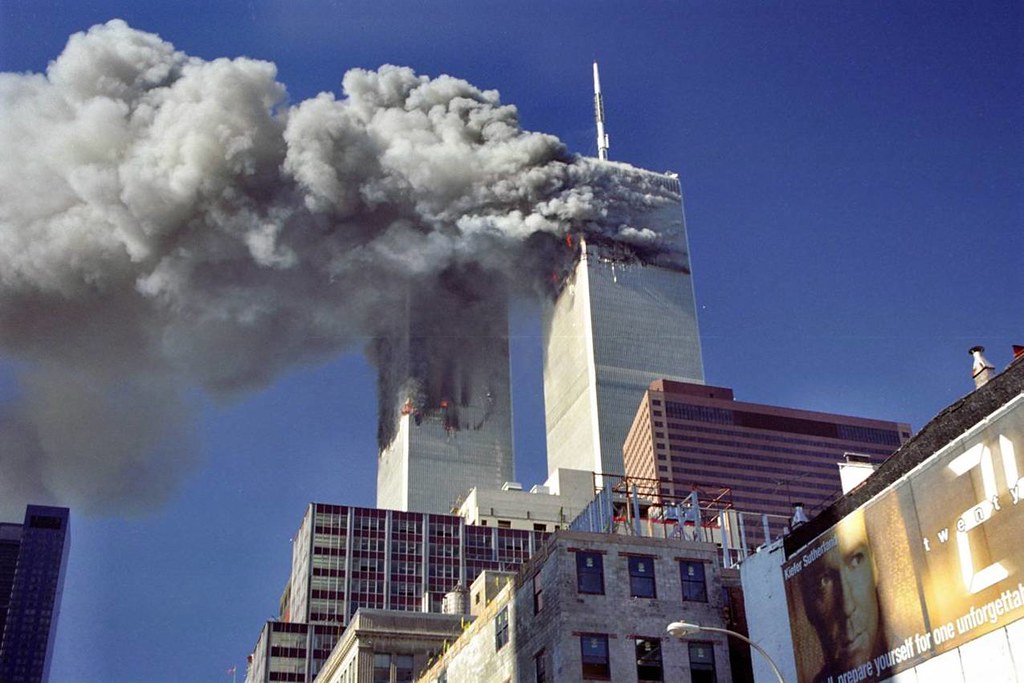
These cancer-related deaths now exceed the 2,977 victims who died on September 11, 2001.
John DeVito, 53, a retired NYPD officer from Bellport, Long Island, recalled sifting through debris without protective equipment, saying:
“We went through it with rakes… Everybody said everything was safe.”
Diagnosed with esophageal cancer on March 13, 2020, he underwent extensive treatment, including surgery to remove part of his esophagus and stomach.
Glenn Taraquinio, 62, another retired NYPD officer, vividly remembers the dangers on “the pile”:
“Every once in a while you’d look in the bucket and you’d see a hand or another body part… officials insisted the air was safe.”
FEMA eventually provided N95 masks, but they “would turn black in an hour.” He was diagnosed with 9/11-related prostate cancer in 2020 and described the rising cancer numbers as “insane.”
Phil Rizzo, 69, a former Department of Correction Emergency Services Unit captain, recalled:
“There was so much ash falling it looked like it was snowing.”
Diagnosed with head and neck cancer in 2023, he reflected:
“It looks like little by little it’s getting most of us who worked there.”
FDNY EMT Ivonne Sanchez, 59, was on the pile for nearly ten months. A breast cancer diagnosis came in 2013, progressing quickly from stage one to stage two:
“I knew in my gut it was something bigger… You must have ESP,” her doctor remarked after diagnosis.
Many of those affected, including Taraquinio and Sanchez, are traveling to Washington, D.C. this week to advocate for extended healthcare funding for those battling 9/11-related illnesses:
“Unfortunately, it’s another fight for funding,” Taraquinio said. “It’s exhausting.”
Photo credit: Flickr