“She Might Love Israel More”: Trump’s Remark About Miriam Adelson Sparks Criticism
When President Donald Trump addressed the Israeli Knesset on Monday, much of the world’s attention was on his historic return to Israel — but it was one offhand comment that drew the most attention back home.
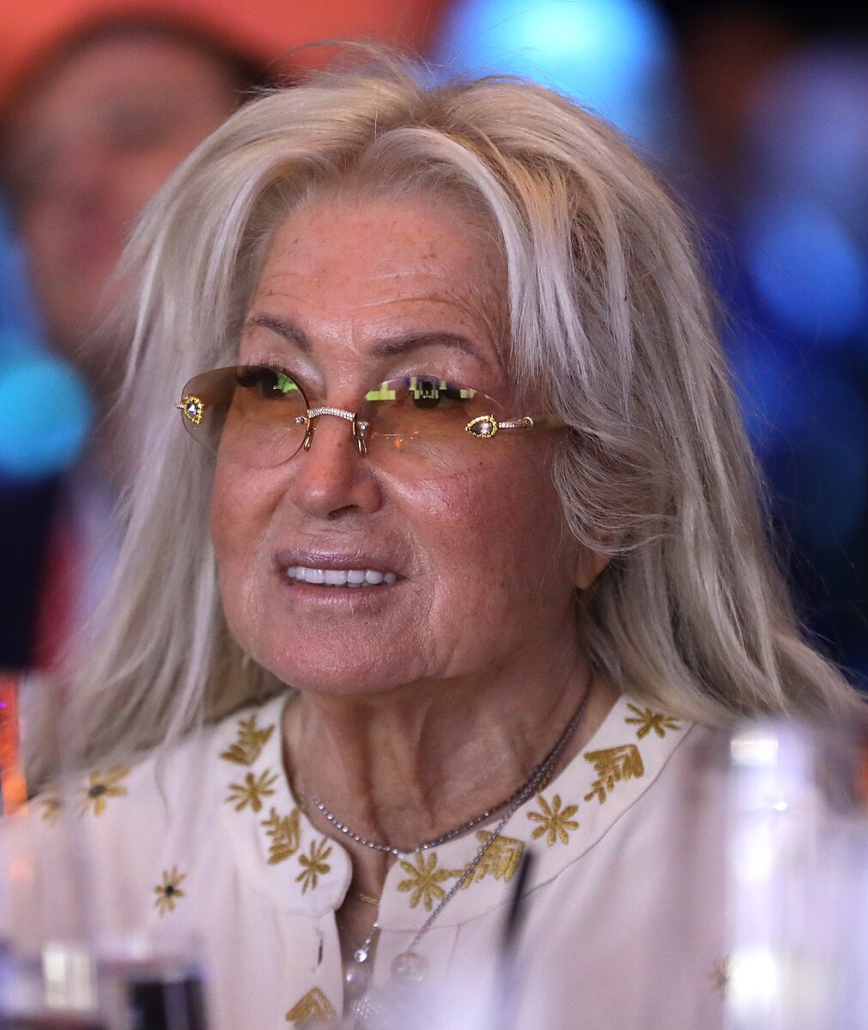
Gesturing toward billionaire Miriam Adelson, one of his most prominent financial backers, Trump joked, “I’m gonna get her in trouble with this one, but I actually asked her once, ‘So, Miriam, I know you love Israel. What do you love more? The United States or Israel?’ She refused to answer. That might mean Israel.”
The remark, which prompted laughter and applause in the chamber, underscored what many observers see as a contradiction in Trump’s political identity. For years, Trump’s “America First” message has defined his movement — yet here he was, highlighting the deep influence of a donor whose loyalties, by his own teasing admission, lie primarily with another country.
During his speech, Trump praised Miriam and her late husband, Sheldon Adelson, for their generosity and political support, reminiscing about their frequent visits to the White House. “Miriam and Sheldon would come into the office, they’d call me. I think they had more trips to the White House than anybody else I could think of,” Trump said. “Look at her sitting there so innocently! She got $60 billion in the bank … and she loves Israel.”
He went on to credit the Adelsons with inspiring some of his most consequential pro-Israel decisions during his first term — including recognizing Israeli sovereignty over the Golan Heights and moving the U.S. Embassy to Jerusalem.
But Trump’s nostalgic praise also raises uncomfortable questions about the role of billionaire donors in shaping U.S. foreign policy. How much influence should private citizens — especially those with dual citizenship — have in decisions that affect America’s diplomatic posture?
In 2018, Trump awarded Miriam Adelson the Presidential Medal of Freedom — the nation’s highest civilian honor — citing her contributions to medicine, philanthropy, and Jewish causes.
Sheldon Adelson once described his worldview bluntly: “All we care about is being good Zionists, being good citizens of Israel.”
Trump’s comments have reignited debate over his relationship with the Adelsons and the broader influence of money in U.S. foreign policy. Representative Thomas Massie (R-KY) was quick to respond on X (formerly Twitter):
“Trump asked dual citizen Miriam Adelson, a billionaire running nasty ads against me in Kentucky, ‘what do you love more, the United States or Israel?’ She refused to answer him. He says that might mean she loves Israel more. This isn’t AI, it’s real video…”
Trump asked dual citizen Miriam Adelson, a billionaire running nasty ads against me in Kentucky, “what do you love more, the United States or Israel?” She refused to answer him. He says that might mean she loves Israel more.
This isn’t AI, it’s real video… pic.twitter.com/pAPbvcfyS1
— Thomas Massie (@RepThomasMassie) October 14, 2025
Trump’s joking acknowledgment of Miriam Adelson’s divided loyalties may have been meant in jest, but it exposed a deeper tension at the heart of his political brand. While he continues to promote an “America First” foreign policy, his own words highlighted the extent to which personal relationships and donor influence have shaped U.S. policy toward Israel — a contradiction not lost on his critics.