When Lawmakers Go Missing, Don’t Blame The Public For Wondering What Happened
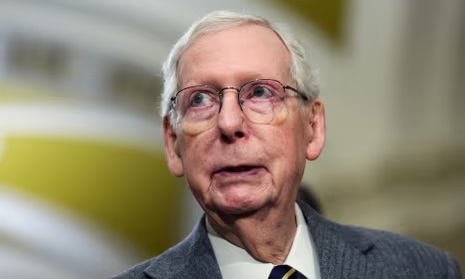
The nation’s capital was rattled following the weeks-long disappearance of Republican Kentucky Sen. Mitch McConnell and his apparent reappearance alongside the sudden death of Republican South Carolina Sen. Lindsey Graham.
In both instances, online rumors and conspiracy theories took hold, with thousands of Americans wondering exactly what happened to their elected officials. But as Americans searched for answers, Washington insiders continued to write them off as conspiracy theorists, a prime example of the disconnect between the political establishment and the rest of the country.
Political pundits across the spectrum used these flashpoints to argue for term limits, age limits, a “25th Amendment” for Congress, or a slew of other reforms, but at its core, the issue is a lack of transparency and the continued underestimation of the average American’s intelligence and understanding of their own political system.
For decades, lawmakers far past their competence threshold have been sequestered in public office by their own insatiable thirst for power or by that of their staff.
Democratic California Sen. Dianne Feinstein, missed nearly three months of legislative session due to a severe case of shingles, Republican Texas Representative Kay Granger was discovered to have been living in an assisted living facility due to “dementia issues” after msissing over five months of votes, and Republican New Jersey Representative Tom Kean recently missed more than 140 roll call votes with no explanation, only to later say he was undergoing treatment for depression in a speech on the floor of the House. (Read more from “When Lawmakers Go Missing, Don’t Blame The Public For Wondering What Happened” HERE)