Stunning Report: Archaeologists May Have Found Site of the Ark of the Covenant
A major archaeological discovery in Israel may shed new light on one of the most enduring biblical mysteries: the fate of the Ark of the Covenant.
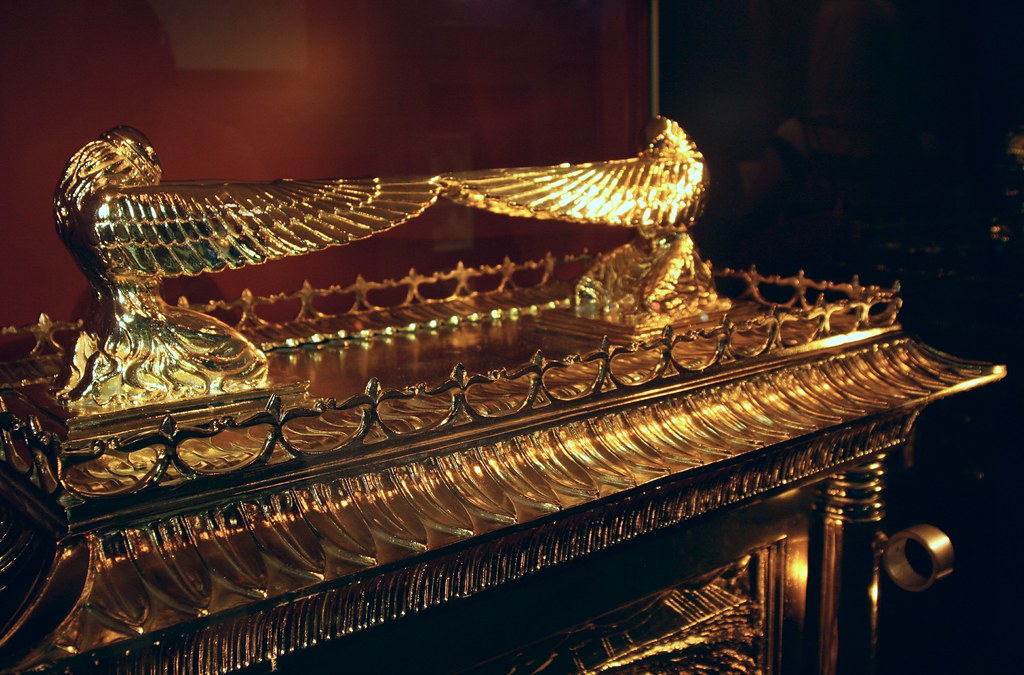
A team led by Dr. Scott Stripling, director of excavations at Tel Shiloh, has uncovered a large, ancient stone structure they believe may have once housed the Ark—a sacred gold-covered chest described in the Bible as containing the stone tablets of the Ten Commandments.
The structure, found in the biblical city of Shiloh, matches the dimensions and east-west orientation of the Tabernacle as outlined in the book of Exodus. According to scripture, the Tabernacle was a portable sanctuary that housed the Ark before the construction of Solomon’s Temple in Jerusalem. Shiloh served as Israel’s primary religious center during the time of the Judges and early monarchy.
“We’ve uncovered a monumental building from the Iron I period that matches the biblical dimensions of the Tabernacle,” said Dr. Stripling. “The structure is oriented east-west and divided in a 2:1 ratio, just as described in scripture.”
In addition to the building itself, archaeologists have discovered over 100,000 animal bone fragments—primarily from sheep, goats, and cattle. Remarkably, most of the bones come from the right side of the animals, consistent with the Levitical instructions that reserved the right portion for priestly offerings (Leviticus 7).
“This isn’t a coincidence,” Dr. Stripling told the Christian Broadcasting Network. “The evidence of sacrificial rituals here is overwhelming and matches the biblical account to a degree that’s hard to ignore.”
Pottery fragments found at the site have been dated to the same time period referenced in the Bible, strengthening the link between the archaeological evidence and the era of the Tabernacle.
The biblical narrative in 1 Samuel 4 tells how the Ark was taken from Shiloh to the battlefield against the Philistines. The plan ended in disaster, with the Ark captured and high priest Eli’s sons killed. When the elderly Eli hears the news, he falls backward, breaks his neck, and dies near Shiloh’s city gate.
In a striking development, Stripling’s team believes they may have found the very gate described in that passage.
The building also features a massive interior wall dividing two chambers, mirroring the Tabernacle’s Holy Place and the Holy of Holies—where the Ark was kept behind a sacred veil (Exodus 26). According to Leviticus 16:2, even the high priest could not enter this inner sanctuary at will, under penalty of death.
The Ark’s precise fate remains unknown after it vanishes from the biblical record following the Babylonian conquest of Jerusalem in 586 BC. But this discovery in Shiloh, combined with the structural and ritual evidence found, could bring scholars closer than ever to understanding its history.
Photo credit: Flickr