NASA’s Curiosity Rover Captures ‘Coral’ Rock on Mars, Hinting at Ancient Water
NASA’s Curiosity rover has uncovered yet another fascinating clue about Mars’ watery past — a small, coral-like rock that may offer more evidence that the Red Planet once supported conditions for life.
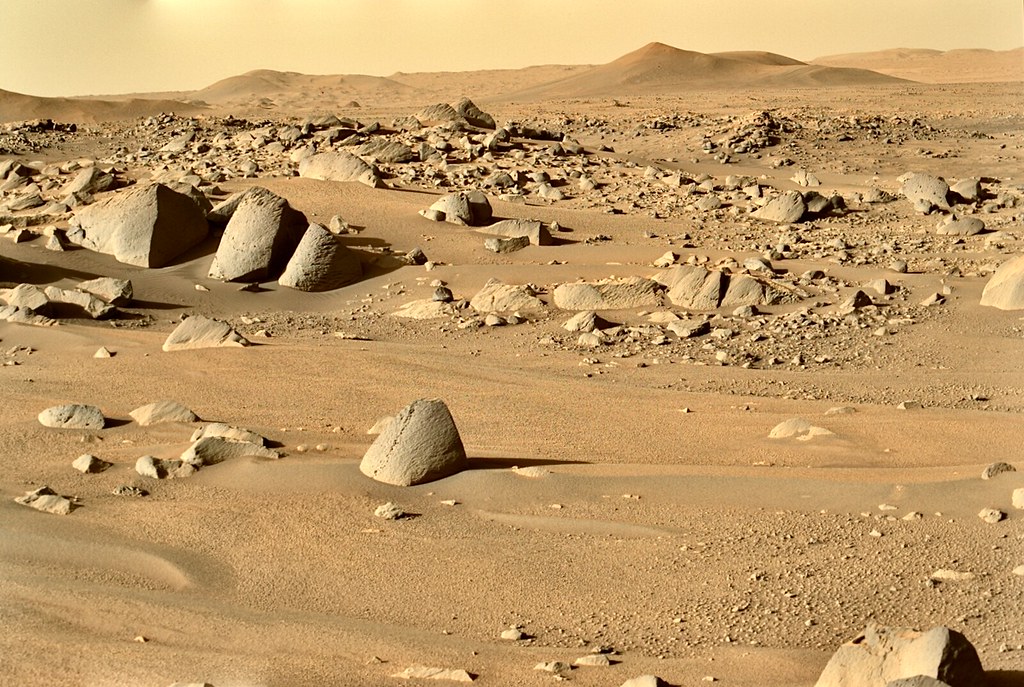
The rock, about 1 inch (2.5 centimeters) wide and light in color, was discovered in the Gale Crater, a massive impact basin that has been a focal point of Curiosity’s decade-long mission. Captured by the rover’s Remote Micro Imager, the object bears an uncanny resemblance to coral found on Earth.
While striking, this isn’t the first time Curiosity has spotted such formations. According to NASA, these unusual shapes were created billions of years ago when liquid water still flowed across Mars. Water carried dissolved minerals into cracks in the rock, and as it evaporated, those minerals hardened into distinctive patterns. This process, common on Earth, has also produced other spectacular Martian features — including a flower-shaped rock captured in earlier missions.
“These findings remind us that Mars was once a planet of rivers, lakes, and possibly oceans,” NASA explained. “Although its surface water disappeared long ago, the minerals left behind tell a clear story of a world that was once much wetter.”
This summer, Curiosity also documented another intriguing geological phenomenon in the Gale Crater — intricate ridge networks nicknamed “spiderwebs” due to their insect-like patterns. These structures, like the coral rock, formed when water persisted underground even as the surface dried. Over time, Martian winds eroded the softer rock, revealing the hardened mineral ridges we see today.
“The images and data being collected are already raising new questions about how the Martian surface evolved over billions of years,” NASA said. “Remarkably, even as Mars transitioned into the cold desert we know now, water continued to shape its landscape beneath the surface.”
Photo credit: Flickr