Poll: Vice President JD Vance and Kamala Harris Dominate Potential 2028 Candidates
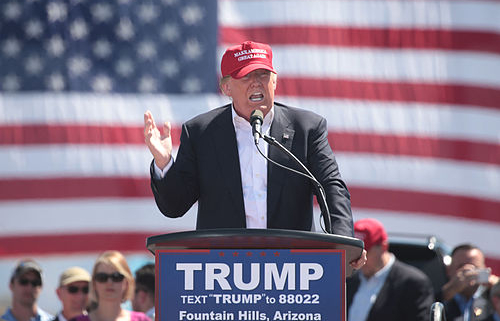
A recent poll showed Vice President JD Vance (R) and former Vice President Kamala Harris (D) dominating within their own parties among potential 2028 candidates.
The recent 2028 presidential poll showed Harris at 37 percent and Vance at 38 percent, according to Political Polls:
New – 2028 presidential poll
🔵 Harris 37%
🔵 Newsom 17%
🔵 Buttigieg 8%
🔵 AOC 7%
🔵 Kelly 5%
🔵 Shapiro 3%
🔵 Beshear 3%🔴 Vance 38%
🔴 Rubio 18%
🔴 Don Jr 10%
🔴 DeSantis 9%
🔴 RFK Jr 5%Focal data #C – LV – 6/1 pic.twitter.com/3oQUefAmLI
— Political Polls (@PpollingNumbers) June 7, 2026
U.S. Secretary of State Marco Rubio was just under Vance with 18 percent and President Donald Trump’s son, Don Jr., polled at 10 percent.
Rubio recently said he would be the first to support Vance if he ran for president in 2028, and it is unlikely Don Jr. will run. Therefore, if one were to add Rubio’s and Don Jr.’s numbers to Vance’s percentage — since those two are likely to support Vance from the get-go — it would show Vance starting with a dominant majority of Republicans at 66 percent with the total of those three combined.
President Donald Trump this week commented on a potential 2028 Republican presidential ticket of Vance and Rubio, stating, “So I watch them together. They get along great. They have a good relationship. They’re sort of similar in a lot of ways, but they’re very talented. I think the two of them running together as a team would be very unbeatable.” (Read more from “Poll: Vice President JD Vance and Kamala Harris Dominate Potential 2028 Candidates” HERE)