Dem Senator Ditches Wife for CEO of Democrat Media Operation
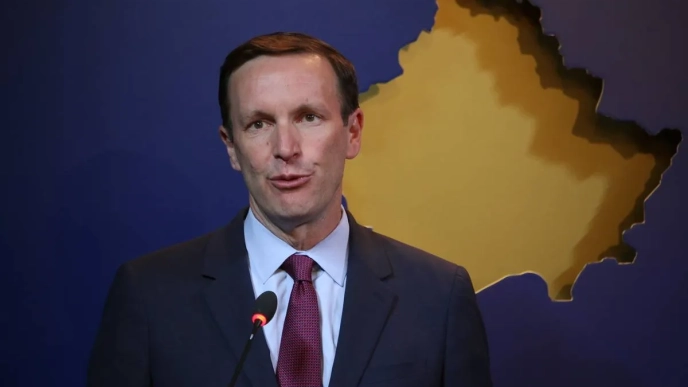
Sen. Chris Murphy (D-CT) has become more vocal, exposing voters to his insufferable tendencies. Elitism thy name is Murphy. The guy is a left-wing blowhard who doesn’t do much but whine. If it’s not that, it’s leading attacks against the Second Amendment. You don’t need to do much to be elected from Connecticut as a Democrat. Yet, Mr. Murphy might be another example of the Democrat-media complex at work literally.
He recently left his wife and shacked up with the CEO of a pro-Democrat news operation. Both parties declined to comment for Semafor:
One of the Democratic Party’s most notable digital media leaders is dating one of the party’s most media-friendly lawmakers, according to a Washington Democrat and a pointed Instagram post.
Tara McGowan, the CEO of the network of digital media sites known as Courier Newsroom, has been linked to Connecticut Sen. Chris Murphy, who recently separated from his wife. McGowan posted a selfie of the duo last week on her private Instagram, captioned “not postponing joy,” which was shared with Semafor.
In recent months, Murphy has become one of the most visible Democratic lawmakers, speaking out against President Donald Trump and Elon Musk in television and digital media interviews and posting his own vertical videos across social media — taking a page out of a media playbook that McGowan and other Democratic digital strategists have pushed since Trump’s victory in November.
Senator Chris Murphy is dating the CEO of Courier Newsroom
Which explains why they’re giving him glamor shots on Instagram 😂 pic.twitter.com/wBwmXvUJks
— John Hasson (@SonofHas) March 10, 2025
If you google “couriernewsroom” and Senator Chris Murphy you get… pic.twitter.com/wnEa97hxRi
— John Hasson (@SonofHas) March 10, 2025
Scrolling through CourierNewsroom CEO @taraemcg’s timeline
If only there had been signs that she was dating Senator Chris Murphy… pic.twitter.com/YayukbuxUH
— John Hasson (@SonofHas) March 10, 2025
(Read more from “Dem Senator Ditches Wife for CEO of Democrat Media Operation” HERE)