Posts

Scientists Discover ‘Death Complex’ that Could Worsen Alzheimer’s — and How to Fight it

Scientists have long been racking their brains to crack the mechanism behind Alzheimer’s disease progression.

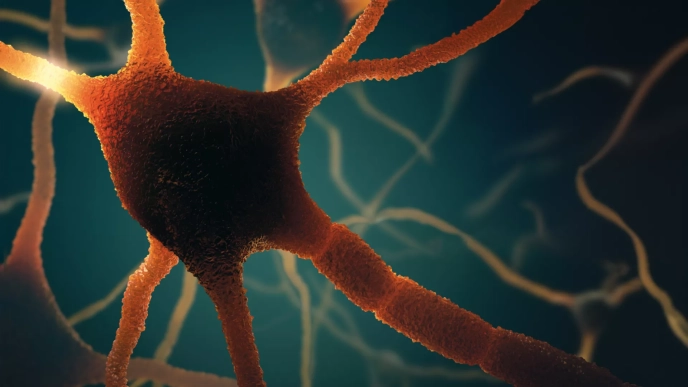
They may have finally found a crucial clue. A research team from Heidelberg University in Germany recently uncovered a hidden “switch” that acts like a death trigger for brain cells and plays a key role in cognitive decline.

The study also highlighted a new, experimental drug that could block the process, opening up possibilities for more effective treatments in the future.

With over 7 million people over 65 battling the degenerative disease — and the number expected to almost double by 2050 — new treatments are constantly being explored that tackle the toxic proteins that accumulate in the brain.

Researchers from Heidelberg and Shandong University in China used a mouse model of Alzheimer’s to examine a molecular process in the brain involving two previously studied proteins: the NMDA receptor and the TRPM4 ion channel. (Read more from “Scientists Discover ‘Death Complex’ that Could Worsen Alzheimer’s — and How to Fight it” HERE)

‘Major Breakthrough’ Blood Test Can Find Dementia Risk Before Symptoms Even Start

. . .About 1 in 9 US seniors has Alzheimer’s, the most common form of dementia, which slowly impairs memory, thinking skills and the ability to perform even basic tasks.

There is no single, easy test to diagnose Alzheimer’s, but a new review of 18 scientific studies confirms that a simple blood test can detect early signs of the brain disorder before cognitive symptoms appear.

The protein p-tau217 has become a reliable Alzheimer’s biomarker because its concentration in the blood is strongly linked to the presence of amyloid plaques and tau tangles in the brain, two hallmarks of Alzheimer’s.

The research out this week in JAMA Neurology supports the use of p-tau217 blood tests as a “minimally invasive tool” for early identification of Alzheimer’s, “particularly in settings where timely intervention with disease-modifying therapies may offer the greatest benefit in slowing or preventing disease progression.”

Dr. Liron Sinvani, director of the Geriatric Hospitalist Service at Northwell Health and director of research for hospital medicine, called the finding “a major breakthrough.”

“Just a simple blood test to see if this protein, this p-tau217, is present can indicate that someone is at a very high risk of having dementia right before symptoms even start,” said Sinvani, who was not involved in the new research. (Read more from “‘Major Breakthrough’ Blood Test Can Find Dementia Risk Before Symptoms Even Start” HERE)

Doctors Discover Drug Already on the Market ‘Could Prevent 1 Million New Cases of Alzheimer’s’ a Year

Alzheimer’s affects nearly 7 million Americans, a number that’s expected to spike to 13.9 million by 2060.

Given the devastating effects of this incurable disease, the hunt is on for a drug that could help prevent or slow its progression.

Now, a new study has found that nucleoside reverse transcriptase inhibitors (NRTIs) — a common class of medications for HIV — could dramatically decrease the risk of developing this neurodegenerative disorder.

Analyzing data from over 270,000 patients aged 50 and older, researchers observed that the risk of Alzheimer’s decreased by 6% to 13% for each year the patients were on NRTIs.

These results are — to say the least — incredibly promising.

“It’s estimated that over 10 million people around the world develop Alzheimer’s disease annually,” said Jayakrishna Ambati, founding director of the University of Virginia Center for Advanced Vision Science. (Read more from “Doctors Discover Drug Already on the Market ‘Could Prevent 1 Million New Cases of Alzheimer’s’ a Year” HERE)

Photo credit: Flickr

Alzheimer’s and Memory Issues Could Be Fended Off by Popular Food in Huge Discovery

Enjoying a particular type of cheese could be more beneficial than you might think, as fresh research indicates it may help fend off Alzheimer’s and cognitive deterioration, diseases that new research has shown can be predicted by certain dreams. Published in the reputable Neuroscience Research, the study points to Camembert as a potential enhancer of mental faculties.

Scientists observed that mice on a high-fat diet, typically linked to reduced cognitive abilities, experienced a boost in brain power when their diet included Camembert.

This enhancement was ascribed to myristate, a compound present in the cheese, which has been linked to supporting brain function and improving memory, whereas experts have pinpointed other foods that can enhance the chances of developing Alzheimer’s.

The presence of myristamide in Camembert appears to increase levels of a crucial protein for the brain named brain-derived neurotrophic factor (BDNF). This protein is integral to protecting the brain and nurturing synaptic development. Other studies, meanwhile, have found that a certain diet can also cut the chances of Alzheimer’s. . .

In this investigation, a dose of 10mg of myristamide for every kilogram of body weight “significantly improved cognitive performance” in mice. This was particularly evident in tasks involving the recognition of unfamiliar objects and locales, reports the Mirror. (Read more from “Alzheimer’s and Memory Issues Could Be Fended Off by Popular Food in Huge Discovery” HERE)

Revealed: Supplement a Potent Weapon Against Dementia Onset

In a groundbreaking study at Massachusetts General Hospital, researchers have uncovered a surprising ally in the fight against cognitive decline associated with Alzheimer’s disease and dementia. The study, published in the American Journal of Clinical Nutrition, reveals that a daily multivitamin regimen can effectively slow down the aging of the brain, offering a potential breakthrough in the battle against neurodegenerative diseases.

Led by Chirag Vyas, the research involved a cohort of 573 individuals over a span of two years. The results, described as “exciting” by fellow researcher Howard Sesso from Brigham and Women’s Hospital, demonstrate that individuals taking a daily multivitamin experienced a significant delay in cognitive decline compared to a placebo group.

Dr. Olivia Okereke, senior author of the study, highlighted the importance of these findings in addressing cognitive aging, a major concern for older adults worldwide. The multivitamin, containing 20 essential nutrients, emerged as a promising and accessible approach to combating memory loss and cognitive decline.

The improvements observed in participants taking the multivitamin were not limited to memory functions. The study revealed enhancements in various cognitive domains, including orientation, attention, language fluency, and overall global cognition. Astonishingly, these improvements translated to a delay in cognitive aging by up to two years.

As the world grapples with the staggering impact of Alzheimer’s and dementia, the potential implications of this study are far-reaching. However, the researchers emphasize the need to delve into the mechanisms by which daily multivitamins contribute to protecting against memory loss. Nutritional status and other aging-related factors are key areas for further investigation.

This revelation adds to a growing body of knowledge highlighting the interconnectedness of overall health and cognitive well-being. Recent discussions by experts have linked quality oral health maintenance and regular exercise to the prevention of neurodegenerative diseases. The holistic approach to brain health is paving the way for a new era in dementia prevention and cognitive well-being.

Tthe study’s findings underscore the significance of a simple daily habit – taking a multivitamin – in potentially delaying the onset of dementia and Alzheimer’s disease. As scientists continue to unravel the mysteries behind cognitive aging, this unassuming supplement may emerge as a formidable weapon in the battle for a sharper and healthier mind.

🗽 Support Liberty: Ensure Our Voice Endures for Another 20 Years!

Celebrating two decades of championing conservative values, Restoring Liberty stands as the premier conservative website not only in Alaska but as a resonant force for liberty across the nation. We’ve been your steadfast source for truth, unwavering in our commitment to preserving the principles we hold dear.

🚀 Why Your Support Matters:

In the past 20 years, we’ve garnered hundreds of thousands of monthly views, expanded our influence with engaging articles, and delivered exclusive content every week. However, the journey to safeguard liberty online comes with its challenges. As pioneers, we faced the adversity of being one of the first political websites nationwide to be demonetized by Google.

💪 Dependence on You:

We’ve weathered storms, but today, we rely entirely on your generosity to keep our platform alive. Your support is not just a donation; it’s a partnership in upholding the values that define us. Together, let’s defy challenges and ensure Restoring Liberty thrives for another two decades.

🌐 How You Can Make a Difference:

Your contribution is a vital lifeline for us. By donating HERE, you become an integral part of our mission. Every dollar is an investment in preserving a powerful conservative voice that resonates across the nation.

🙏 Join Us in Shaping the Future:

Help us overcome the financial hurdles that come with independence. Your donation paves the way for continued growth, impact, and influence. Together, let’s empower Restoring Liberty to shape the future of conservative values.

🔗 Donate HERE and be a Guardian of Liberty!

Thank you for being the backbone of Restoring Liberty. With your support, we’ll stand strong for another two decades and beyond!


Guarding Your Mind: Everyday Habits to Reduce Dementia Risk Revealed

Dementia, often associated with people over 65, can impact memory, language, and problem-solving abilities, with Alzheimer’s being a common culprit. While certain risk factors like genetics are beyond control, lifestyle habits play a crucial role, providing an opportunity to mitigate the risk of dementia, according to experts.

Blair Steel, a psychologist at Carrara Treatment, Wellness & Spa, emphasizes that it’s never too early to adopt behaviors that can safeguard cognitive health. Dementia manifests as impairment in at least two brain functions, such as memory loss and judgment, leading to symptoms like forgetfulness, limited social skills, and thinking impairment.

Exercise, particularly aerobic exercise, is highlighted as a powerful tool in the fight against dementia. Steel underscores the negative impact of a sedentary lifestyle on the brain, emphasizing the adage, “If you don’t use it, you lose it.” Individuals approaching their 60s are encouraged to prioritize regular physical activity to reduce their dementia risk.

Isolation, often exacerbated by excessive social media use, is identified as another risk factor. Steel highlights the significance of in-person socializing, as it provides a more enriching experience for the brain compared to virtual interactions.

Establishing good sleep habits is crucial, regardless of age. Limiting screen time before bedtime and avoiding disruptions during sleep contribute to better overall brain health.

Stress, identified by the Alzheimer’s Society as a major trigger for dementia, necessitates effective management. Engaging in physical exercise, pursuing hobbies, spending time with family and friends, and adopting a flexible mindset are effective ways to combat stress.

Moderating alcohol consumption is advised, as the Alzheimer’s Society associates regular drinking over an extended period with a specific type of dementia.

Lastly, dietary choices play a pivotal role. Processed foods, prevalent in the American diet, are considered potential triggers for dementia in adults. Embracing a diet rich in nutrient-dense, whole foods contributes to better brain health.

Photo credit: Flickr

Delete Facebook, Delete Twitter, Follow Restoring Liberty and Joe Miller at gab HERE.

Teenager Diagnosed With Alzheimer’s: It Can Happen at ‘Any Age’

A 19-year-old man in China has been diagnosed with Alzheimer’s disease. It is the youngest case of the neurodegenerative condition ever reported, according to the South China Morning Post.

The man, who was treated at Capital Medical University’s Xuanwu Hospital in Beijing, had been experiencing gradual memory loss symptoms for two years. It had gotten to the point that he could not remember things that happened within a day nor where his belongs were.

His condition, which made the man abandon high school early, also caused delays in his reading and reacting abilities.

After having the case of probable “early-onset Alzheimer’s disease” detailed in a study published in the Journal of Alzheimer’s Disease, researchers learned even more shocking details about the man’s unique diagnosis.

“This is the youngest case ever reported to meet the diagnostic criteria for probable [Alzheimer’s disease] without recognized genetic mutations,” the authors said. (Read more from “Teenager Diagnosed With Alzheimer’s: It Can Happen at ‘Any Age’” HERE)

Delete Facebook, Delete Twitter, Follow Restoring Liberty and Joe Miller at gab HERE.