Posts

13-Year-Old Arrested at School With 1,500 Suspected Fentanyl Pills

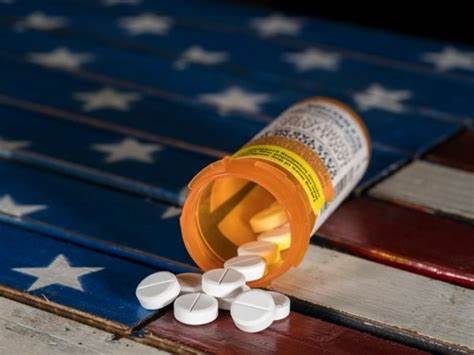
On December 11, a seventh-grader at Horizon Middle School in Moorhead, Minnesota, was detained after another student reported a large bag of fentanyl pills around noon, according to local police.

School Resource Officer Jessica Horn detained the student and seized the pills.

Approximately 1,500 pills were allegedly in the student’s possession. The juvenile, age 13, was arrested for 1st Degree Possession of a Controlled Substance and transported to the West Central Juvenile Detention Center. His parents were notified.

Field tests confirmed the counterfeit M30 pills likely contained fentanyl, with lab results pending; the boy faces first-degree possession charges and was taken to juvenile detention.

Police Chief Helmick said “We commend the students who came forward — your actions helped protect others. This remains an active investigation, and we will continue working closely with Moorhead Area Public Schools to strengthen safety protocols and ensure a secure learning environment for all students and staff.” (Read more from “13-Year-Old Arrested at School With 1,500 Suspected Fentanyl Pills” HERE)

Chinese Official Reportedly Seeking Talks With Trump on Fentanyl Ingredients Amid Trade War

A top Chinese government official is asking what the Trump administration wants the communist nation to do about chemicals used to make fentanyl amid an ongoing trade war between the world’s two largest economies.

Wang Xiaohong, China’s minister of public security, has been making inquiries about what Trump wants China to do about the fentanyl issue over the last few days, The Wall Street Journal reported Friday.

Chinese companies produce precursors, large quantities of chemicals that eventually flow to Mexican drug cartels, which then make fentanyl and smuggle it into the United States.

Beijing could possibly have Wang meet with senior Trump administration officials in a neutral country, the newspaper reported.

Trump has tried to persuade China, Mexico and Canada to do more to combat the flow of fentanyl into the U.S. (Read more from “Chinese Official Reportedly Seeking Talks With Trump on Fentanyl Ingredients Amid Trade War” HERE)

China Floats Possibility Of Killing More Americans In Response To Tariffs

Two bloggers linked to China’s government floated the idea of upping the flow of deadly fentanyl into the U.S. in retaliation to President Trump’s tariffs, CNBC’s Eunice Yoon reported Tuesday.

Both Niu Tanquin and a blogger known as Rabbit Chairman posted messages on Chinese social media suggesting the state was preparing to end cooperation with the U.S. on fentanyl, according to screenshots which Yoon posted to X.

Two bloggers linked to China’s government floated the idea of upping the flow of deadly fentanyl into the U.S. in retaliation to President Trump’s tariffs, CNBC’s Eunice Yoon reported Tuesday.

Both Niu Tanquin and a blogger known as Rabbit Chairman posted messages on Chinese social media suggesting the state was preparing to end cooperation with the U.S. on fentanyl, according to screenshots which Yoon posted to X.

The bloggers shared a set of virtually identical bullet points outlining six policy responses China was preparing to counter Trump’s tariffs. Among the points were plans to slap tariffs on US soybean imports, ban US poultry imports and ban US films in China.

(Read more from “China Floats Possibility Of Killing More Americans In Response To Tariffs” HERE)

Noem: America’s Enemies Intentionally Bring Fentanyl To U.S. ‘To Kill Americans’

Homeland Security Secretary Kristi Noem said during an interview over the weekend that America’s enemies are flooding the country’s streets with fentanyl in — part because they are trying to kill Americans.

Noem made the remarks during a Sunday interview on CBS News’ “Face The Nation” with Margaret Brennan while talking about President Donald Trump’s efforts to stop the flow of drugs coming into the U.S.

She said that the Trump’s tariffs on Canada and Mexico were really about fentanyl, not just the economy.

“I think the president obviously wants a strong economy, obviously wants better trade deals as well,” she said. “But this is about fentanyl and what we can do to stop the cartels from partnering with Chinese officials, laundering money and bringing a poison into our country that is specifically designed to kill the next generation.”

“I think a lot of people don’t understand the strategy of these enemies of the United States and what they’re utilizing,” she continued. “They are bringing this in, not just to make money. They’re bringing it in here to kill Americans. And it’s time that we stand up for the people that live here and make sure that we’re stopping this war against our children.”

(Read more from “Noem: America’s Enemies Intentionally Bring Fentanyl To U.S. ‘To Kill Americans’” HERE)

Biden Commutes Sentence of Woman Who Conspired to Manufacture, Distribute Fentanyl

President Joe Biden commuted the sentence of a woman who was sentenced to 15 years in prison over conspiring to manufacture and distribute an altered and more potent version of fentanyl.

A White House press release on Thursday revealed that Biden is pardoning 39 people and commuting the sentences of 1,499 people. Among the list of people who had their sentences commuted was Wendy Hechtman.

A press release from the United States Attorney’s Office District of Nebraska from November 2017 revealed that Hechtman and her husband, Ken, along with two other people, were charged “in a three count indictment.”

“Kenneth and Wendy are charged in Count I with conspiracy to manufacture 10 grams or more of Fentanyl Analogue between on or about March 2017 and October 30, 2017,” the press release says.

The Hechtmans were also “charged in Count II with conspiracy to distribute Fentanyl Analogue between on or about March 2017 and October 30, 2017” and were “charged in Count III with possession with intent to distribute 400 grams or more of Fentanyl Analogue on or about October 30, 2017,” according to the press release. (Read more from “Biden Commutes Sentence of Woman Who Conspired to Manufacture, Distribute Fentanyl” HERE)

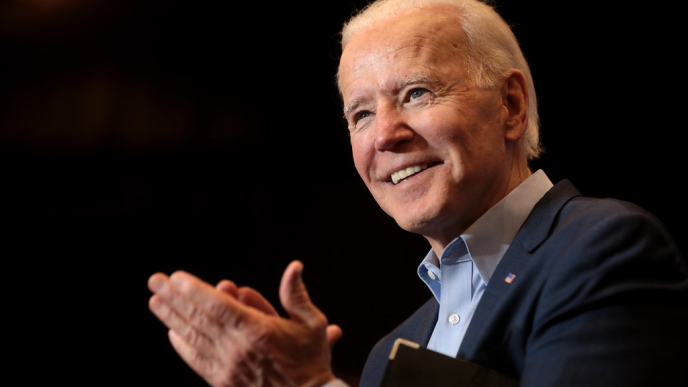
Photo credit: Gage Skidmore via Flickr

Drug Dealer Gets 30 Years Behind Bars for Baby’s Fentanyl Death

A drug dealer in South Florida has been sentenced to 30 years in federal prison after distributing fentanyl that led to the overdose death of a baby in 2022, NBC6 reported this week.

Darnell Mendez, 36, was sentenced Tuesday and will have five years of supervised released in addition to his prison sentence, according to the U.S. Attorney’s Office for the Southern District of Florida.

Both Mendez and his girlfriend, Samantha Yi, pled guilty in the case. Yi is facing at least 20 years in prison, with her sentencing scheduled for Jan. 9, the report states.

Palm Beach County Sheriff’s Office deputies had responded to a 911 call on March 31, 2022, for an infant in distress. When they got to the scene, they found a 10-month-old who had ingested fentanyl.

The baby taken to a Boynton Beach hospital and then transferred to Joe DiMaggio Children’s Hospital in Hollywood. She died days later on April 5, 2022. (Read more from “Drug Dealer Gets 30 Years Behind Bars for Baby’s Fentanyl Death” HERE)

Photo credit: Flickr

Family Devastated by Fentanyl Tragedy: A Mother’s Heartbreak After Both Daughters Overdose

In a heartbreaking tale from Memphis, Tennessee, Brenda Diggs now finds herself caring for five grandchildren after losing both of her daughters to fentanyl overdoses within a few short months. The devastation has left her grappling with an unfathomable loss, a situation that has become all too familiar in communities across the nation.

Brenda, speaking with local news outlet WREG, expressed the overwhelming sense of responsibility she feels for her grandchildren, saying, “I’m about all they’ve got, except for their uncles. I just don’t know. It’s mind-boggling.”

Kenia Everette Wooten, Brenda’s eldest daughter, was just 42 when her life was tragically cut short. Despite early struggles, including becoming a teen mother at 15, Kenia had been on a path to recovery. However, after sustaining a severe ankle injury at work, she was prescribed medication that led to an addiction to pills. “She lost her self-esteem,” Brenda recalled, “and I guess she thought building her self-esteem and having sex with guys would make her feel better about herself.”

The turning point came on January 22, 2022, when Brenda received the devastating news of Kenia’s death. “I went in, and lo and behold, Kenia was on the floor. The paramedics were there, but she was dead on the floor,” she recounted, still haunted by that day. The cause: an accidental overdose of fentanyl.

Just three months later, Brenda faced another tragedy when her younger daughter, 34-year-old Keshia Diggs, also fell victim to the same deadly substance. Recently released from prison, Keshia had been battling her own demons. On March 25, 2022, Brenda became alarmed when Keshia failed to return home. A search of her bedroom revealed the unimaginable: “The smell just almost knocked me out,” she said, recounting the horror of finding her daughter unresponsive. Keshia, too, was a victim of an accidental fentanyl overdose.

Brenda’s pain is compounded by the knowledge that the opioid crisis continues to devastate families across the country. David Fuller, an overdose prevention specialist with the Memphis Area Prevention Coalition, emphasized the pervasive threat of fentanyl. “It’s so powerful that once a user becomes addicted to fentanyl, other drugs are not going to cut it because they’re not strong enough,” he stated. Fuller lamented the tragic frequency of such stories, saying, “I wish I could say that that was the first one of those stories that I’ve heard. But it’s absolutely not.”

The increasing prevalence of fentanyl in counterfeit pills and other drugs has caught many users unaware. “They thought they were doing heroin or something else,” Fuller explained, underscoring the urgent need for awareness and prevention.

Photo credit: Flickr

‘Never Seen Anything Like This Before’: New Factor Blamed for Fentanyl Deaths

Although the huge number of drug overdose deaths in America saw its first slight decrease last year, fentanyl remains largely responsible for “poisoning” America, especially its young people. Indeed, for Americans age 18-45, fentanyl overdose remains the leading cause of death – thanks, experts say, to Mexican cartels, an open border … and social media.

Reported by the National Center for Health Statistics as the first annual decrease since 2018, drug overdose deaths in the United States reached 107,543 in 2023. This amounts to a 3% reduction from the number of deaths reported in 2022. However, in both years, nearly 69% of the deaths were attributed to the presence of synthetic opioids – primarily fentanyl.

WND spoke to Keith Talamo, chief medicolegal death investigator at the Lafayette Parish Coroner’s Office in Lafayette, Louisiana, who said fentanyl deaths have also been on the rise each year in Lafayette Parish with the exception of 2023. In 2015, he said, there were no overdose deaths associated with fentanyl. Eight years later, 66 of 108 deaths involved fentanyl.

Having worked as an investigator since November 1999, Talamo told WND, “We’ve never seen anything like this before,” and considering the steady rise in deaths attributed to fentanyl, he added, “I don’t see an end in sight.” He explained that fentanyl is very inexpensive to produce, adding that “it takes very little to get addicted and very little to kill you.” According to the U.S. Drug Enforcement Administration, two milligrams of fentanyl is considered a potentially lethal dose.

Adding an additional and extremely perverse dimension to what is already an unprecedented drug-death epidemic, Talamo shared that fake pills containing deadly amounts of fentanyl are increasingly prevalent today. (Read more from “‘Never Seen Anything Like This Before’: New Factor Blamed for Fentanyl Deaths” HERE)

Unveiling ‘Shadows of Grief’: A Marysville Event to Confront the Fentanyl Crisis

In Marysville, California, an urgent event awaits on May 3rd, from 6 to 8 PM, at the esteemed Brick Coffee House located at 316 D St. More than just a book release, this gathering serves as a reminder of the ongoing battle against the fentanyl epidemic gripping Yuba and Sutter counties. Sponsored by Supervisor Andy Vasquez, this event provides a unique opportunity for our community to come together, strategize, and mobilize against the devastating impact of fentanyl. As attendees gather to commemorate the release of “Shadows of Grief,” they will engage in meaningful dialogue, share experiences, and contribute to ongoing efforts to combat the fentanyl epidemic.

Tracy Norris, author of “Shadows of Grief,” has turned personal tragedy into a beacon of strength and resilience. Her book is a powerful testament to the toll of fentanyl poisoning, blending personal narrative with community advocacy. As a mother who tragically lost her son to this insidious drug, Norris’s words resonate deeply.

Supervisor Andy Vasquez’s sponsorship underscores the urgency of our collective response to the fentanyl crisis. With each passing day, lives are lost, families shattered, and communities torn apart. But amidst this darkness, there is hope. By uniting as a community, we can strategize and implement measures to mitigate the impact of fentanyl and prevent further tragedies.

For those interested in securing their copy of “Shadows of Grief,” books will be available for purchase at the event and online through Amazon.

Join us on May 3rd as we stand together in solidarity, resilience, and hope. Together, we can illuminate the shadows of grief cast by the fentanyl epidemic and pave the way for a brighter, safer future for all.

________________________________________________

Recent Q&A With Author Tracy Norris

1. What inspired you to write “Shadows of Grief”?

Norris: I wrote Shadows of Grief as a tribute to my son, Marcus who lost his life to fentanyl poisoning. I had wrestled with his addiction for more than a decade by the time that he passed away and after his passing, I realized that there were many pieces of our journey that could have a positive impact on other people – if I were brave enough to tell our story publicly.

2. Can you share a little about your personal journey that led to the writing of this book?

Norris: I knew I had a story to share, but I found it challenging to complete my writing project. Recognizing the need for a change in my approach, I decided to enlist the support of a writing coach. Together, we worked on setting deadlines, refining content, and navigating through the writing process. We met twice a month, during which she reviewed my work, posed insightful questions, and provided valuable guidance to help me stay focused on conveying my message effectively.

3. What impact do you hope “Shadows of Grief” will have on readers?

Norris: Ultimately, my hope is for this book to offer support to those who are fighting for the sobriety of their children and for those who are grieving a child who has overdosed or has been poisoned by fentanyl. I pray that this book brings strength to the weary, courage to the fearful, and connection to the lonely.

4. In your opinion, what is the heart of “Shadows of Grief”?

Norris: Shadows of Grief leans heavily on the human experience of loving a person caught in addiction. It tells the story of life, love, loss, and grief and allows readers to gain insight to many of societies questions around addiction and the function of families.

5. How does faith and spirituality play a role in your story and the message of the book?

Norris: As a mother and an author, I lean heavily on my own faith experience. The book Shadows of Grief encourages readers to explore their hearts and extend prayers as they gain strength, wisdom, the ability to live fulfilled lives even after profound loss.

6. What do you believe sets “Shadows of Grief” apart from other books on similar topics?

Norris: There are many fabulous books where authors have candidly stepped out of the dark to share their stories, and they are all very important. This story largely took place here in Yuba County though, it is very important to engage communities with stories and faces that they have known and loved. There is an extra edge of reality that happens when we know the families, the individual people involved in a story, and when we take a step back knowing that this is real, fentanyl is dangerous, and it is something that we should all be talking about.

7. Can you talk about the significance of the title “Shadows of Grief” and what it represents in your story?

Norris: Shadows of Grief is a title that came from a Facebook group that my daughter created for me just after my sons passing. It started with just a few moms who had lost children, and it grew into a small, but supportive and engaged community of families who had lost loved ones to fentanyl poisoning.

8. How do you approach the delicate balance between vulnerability and strength in sharing your personal experiences?

Norris: Vulnerability and strength are very connected in terms of sharing such a delicate subject. Initially, sharing was very emotional for me. It was candidly writing my thoughts out in small conversations that built my strength and eventually allowed me to engage with larger groups.

9. What advice would you give to other parents or individuals who may be facing similar struggles with addiction in their families?

Norris: When you love someone suffering from substance use disorder, it often feels like the issues are too big, and like there is no hope. I would encourage families to embrace hope with every breath they have. To lean into community supports, seek out mentors, friends, and professionals to help carry some of the burden when it is too heavy, but most of all to make memories, laugh, and love fiercely.

10. Lastly, what do you hope readers will take away from “Shadows of Grief” after finishing the book?

Norris: It is my hope that in hearing Marcus’s story, he will in some way still be impacting the world. I hope that there were times that readers can relate, smile, and even laugh because even in the chaos of his addiction and many challenges, he did bring a whole lot of love and laughter into the world.

Why the Sudden Rise in Fentanyl Deaths Among Young People?

A mother who tragically lost her teenage son to fentanyl poisoning is speaking out about the opioid crisis among the nation’s youth. Federal data shows that among 10- to 19-year-olds, fentanyl deaths rose 182% from 2019 to 2021. . .

“The cause of Alec’s death was, in fact, fentanyl poisoning. I know that he took a pill, I don’t know how he got it or what he thought it was,” Hehl told The Daily Signal in an April interview. “I found him unresponsive in his room in the afternoon after speaking to him that morning and did not suspect anything abnormal.”

Hehl says she wishes society would focus on increased education around fentanyl and that the law would reflect greater penalties for drug dealers. “We need to make stronger efforts to combat the fentanyl attack,” she said.

According to the latest research from the U.S. Centers for Disease Control and Prevention, opioid overdoses took the lives of more than 80,000 individuals in 2021, with synthetic opioids such as fentanyl accounting for 88% of the deaths. And according to the U.S. Drug Enforcement Administration, the leading cause of death for Americans ages 18 to 45 is fentanyl overdose.

“Fentanyl made a cameo appearance in the United States late in the 1970s, when it was known as ‘China White.’ Now, however, it has become the principal villain responsible for America’s overdoses and fatalities,” Paul Larkin, a senior legal research fellow in the Meese Center for Legal and Judicial Studies at The Heritage Foundation, wrote in a legal memorandum. (Read more from “Why the Sudden Rise in Fentanyl Deaths Among Young People?” HERE)