Putin Drops Missile Pact, Sparking Fears of New U.S.-Russia Nuclear Arms Race
In a chilling throwback to Cold War brinkmanship, arms race fears are mounting as Putin says Russia is no longer bound by missile treaty limits that once curbed the deployment of intermediate-range nuclear weapons. The announcement has escalated tensions between Moscow and Washington to dangerous new levels as both nations engage in an increasingly volatile military standoff centered around Ukraine.
On Monday, the Russian Foreign Ministry declared an end to its self-imposed moratorium on intermediate-range missile deployments, citing aggressive moves by the United States and NATO allies, particularly the planned stationing of American Typhoon and Dark Eagle missile systems in Germany next year. The ministry warned that such deployments near Russian borders are a “direct threat” to the country’s security and could have “significant harmful consequences” for regional and global stability.
“Russia no longer has any limitations,” Kremlin spokesman Dmitry Peskov told reporters. “Russia believes it has the right to take respective steps if necessary.”
While the statement stopped short of detailing where or when Russia might deploy its own systems, President Vladimir Putin has already announced the coming placement of Russia’s new Oreshnik intermediate-range missiles in Belarus later this year. Designed for maximum speed and devastation, the Oreshnik—capable of flying at Mach 10 and carrying conventional or nuclear warheads—can reportedly reach any target in Europe.
NATO’s Missile Moves Spark Russian Reaction
Russia’s Foreign Ministry justified the policy shift as a response to Washington’s missile plans and broader NATO military buildup. “Decisions on specific parameters of response measures will be made based on the scale of deployment of American and other Western missiles,” the ministry said, stressing the need for a flexible strategy as the international security landscape evolves.
The United States and Russia both abandoned the Intermediate-Range Nuclear Forces (INF) Treaty in 2019 after accusing each other of violations. Signed in 1987 by Ronald Reagan and Mikhail Gorbachev, the INF Treaty had banned land-based missiles with ranges between 500 and 5,500 kilometers. Following the collapse of the agreement, Moscow pledged a voluntary halt in deployment—until now.
Former Russian President Dmitry Medvedev, now deputy chairman of the country’s Security Council, celebrated the end of the moratorium as a “new reality” that “all our opponents will have to reckon with.” In a post on X (formerly Twitter), Medvedev warned, “Expect further steps.”
Trump Orders Submarine Repositioning
The Kremlin’s announcement follows a separate development that could compound tensions. Former President Donald Trump, now leading in the polls as the 2024 election nears, said Friday he had ordered the repositioning of two U.S. nuclear submarines. The move came after a defiant Medvedev dismissed Trump’s warning to accept a Ukraine peace deal or face severe consequences.
Trump said he was alarmed by Medvedev’s combative rhetoric and nuclear threats, noting the escalation as a sign of worsening nuclear brinkmanship. “Each new ultimatum is a threat and a step toward war,” Medvedev had replied to Trump’s peace proposal.
With Trump’s self-imposed deadline for a Ukraine deal approaching, the maneuvering of both Russian and American nuclear assets underscores the renewed volatility in U.S.-Russia relations and the looming threat of a broader conflict that could involve NATO states.
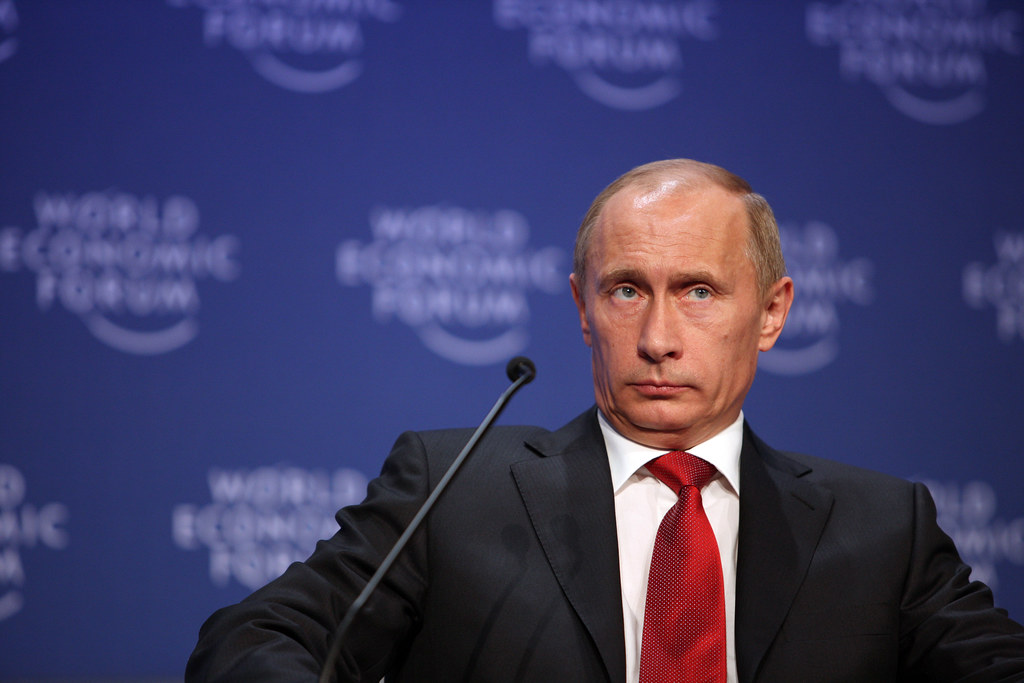
Photo credit: Flickr