DOJ Says Over One Million Additional Epstein Files Will Be Released in Coming Weeks
The Department of Justice says it has received more than one million newly-discovered documents tied to Jeffrey Epstein and is now reviewing them for public release in the coming weeks under federal law and court orders.
According to a statement issued on Christmas Eve, the U.S. Attorney’s Office for the Southern District of New York and the FBI uncovered a massive new collection of Epstein-related material and transferred it to the DOJ for processing.
The department said teams of attorneys are “working around the clock” to review the files and apply legally-required redactions to protect victims before publication. Because of the sheer size of the collection, officials cautioned that the process may take several more weeks, but emphasized that the DOJ intends to comply with the Epstein Files Transparency Act as well as “President Trump’s direction to release the files.”
The announcement coincides with a more assertive posture from the DOJ’s official X account, which has recently issued posts challenging rumors and disputed claims surrounding the Epstein releases. Among them was the department’s assertion that a supposed postcard allegedly written by Epstein to Larry Nassar was fabricated.
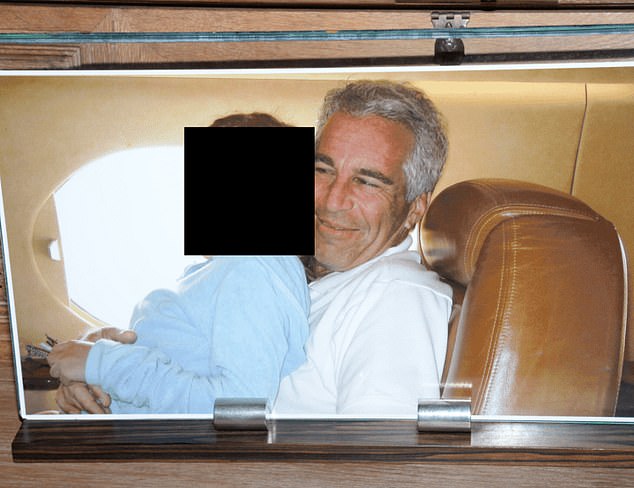
The heightened messaging came as the DOJ rolled out a new batch of previously unseen Epstein records earlier this week — roughly 11,000 files totaling close to 30,000 pages, including photographs, court exhibits, agency documents, emails, and video material.
Rep. Ro Khanna, the California Democrat who helped lead the bipartisan effort to force the release of the Epstein files, described the latest tranche as “a bombshell.” He pointed to records indicating that Donald Trump flew on Epstein’s plane at least eight times between 1993 and 1996 — a higher number than had previously been indicated in earlier communications from federal officials.
Khanna accused the department of prioritizing the protection of powerful figures tied to Epstein over transparency for survivors, whose identities must be legally redacted.
His co-sponsor on the disclosure effort, Rep. Thomas Massie of Kentucky, questioned who was operating the DOJ’s social media account on Christmas Eve after posts appeared using casual language to address reporters.
Criticism of the department’s rollout also came from outside government, including former Obama national security adviser Tommy Vietor, who called the DOJ’s approach “incompetent.” At the same time, transparency and legal analysts warned that many documents in the releases contain duplicates, heavy redactions, or unverified allegations that should not be treated as established fact.
The latest publications also renewed scrutiny of Epstein’s wider network after an internal 2019 email — shared publicly by journalist Julie K. Brown — showed federal investigators attempting to contact roughly ten potential “co-conspirators” following Epstein’s arrest.
Most of the names were redacted, but three remained visible: Ghislaine Maxwell, later convicted of sex-trafficking offenses; former modeling agent Jean-Luc Brunel, who died in custody in France in 2022; and billionaire retailer Leslie Wexner, a onetime Epstein associate who cut ties with him in 2007.
Attorneys for Wexner told BBC News that prosecutors said he was neither a target nor a co-conspirator and that he cooperated with investigators when contacted.
With more than a million additional records now in the pipeline, the disclosure effort is poised to continue into the coming weeks — likely prolonging political and public debate over Epstein’s network and the government’s handling of the case.
Experts say future releases may add new context but stress that raw investigative materials often contain leads, allegations, or partial information rather than definitive conclusions.