
“236-Million Year Old” Mammal Gave Birth to Live Young, Upends Stupid Theories of Mammalian Evolution
For years, scientists believed that our evolutionary forebear laid eggs much like other reptiles, but direct evidence of how they reproduced remained inconclusive — until now.
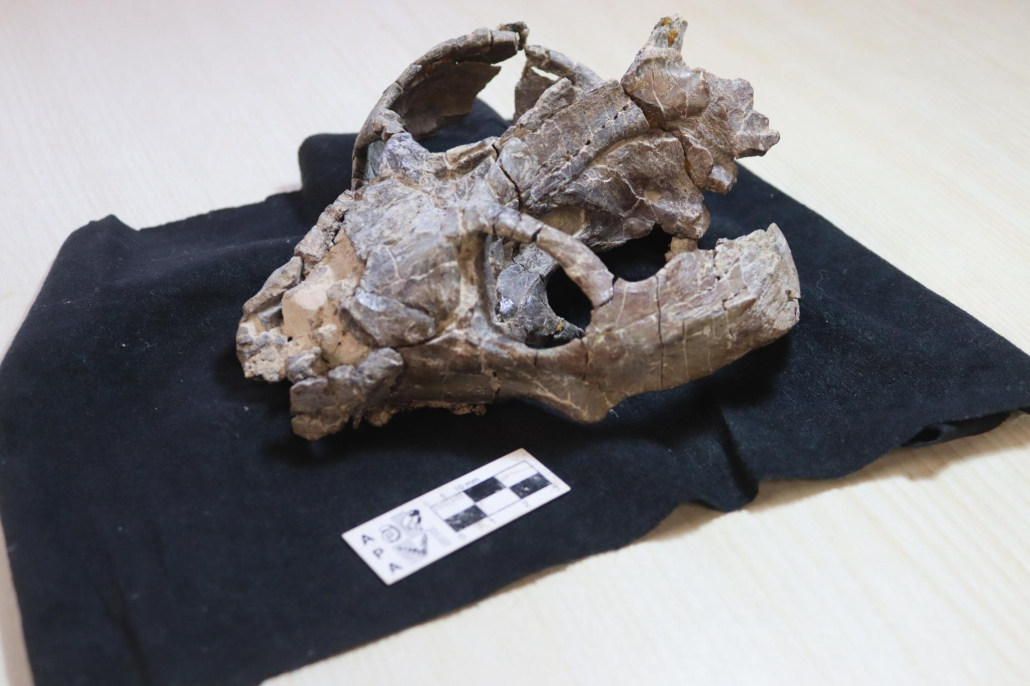
However, by analyzing the bones of a Chiniquodon theotonicus individual — which lived during the late Triassic period — scientists determined that they likely birthed live young, winding the clocks back on this reproductive adaptation by a staggering 95 million years.
“It looks like some cynodonts were in fact very similar to present-day mammals,” exclaimed lead author Dr. Leandro Gaetano, a paleontologist at the National Scientific and Technical Research Council (CONICET) in Argentina.
The researchers came upon this revelation by accident while examining the bones of a fully grown C. theotonicus, and finding that they had “embryonic tissue,” Gaetano told Gizmodo. “This is very weird, I have never seen this,” he said.
By analyzing data from living species, the scientists deduced that the mark was a neonatal line, a distinct growth ring found in bones or teeth that forms following the post-birth growth spurt. (Read more from “236-Million Year Old” Mammal Gave Birth to Live Young, Upends Stupid Theories of Mammalian Evolution” HERE)
Photo credit: Leandro Gaetano

