
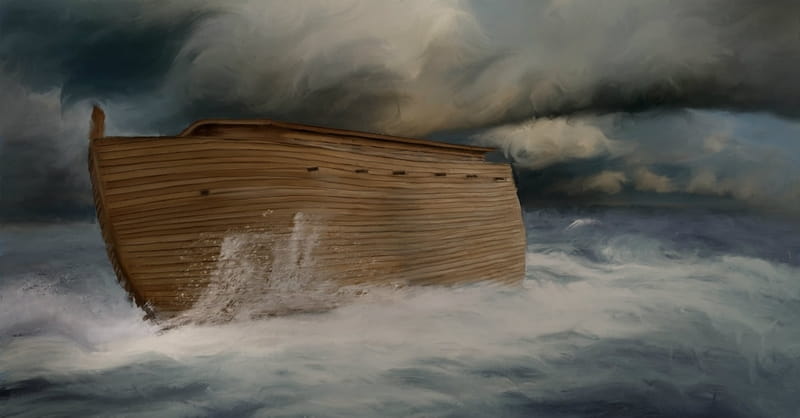
New Evidence Supports Noah’s Ark as Boat-Shaped Formation, Dates Back to Biblical Floods
By New York Post. . . .Researchers have found that a boat-shaped mound — long believed by the faithful to be Noah’s Ark — was most likely submerged under water during a devastating flood some 5,000 years ago, The Jerusalem Post reported.
The international team of experts has been working together since 2021 to study the Durupinar Formation, which they believe could be the site of a massive preserved vessel.
The 538-foot geological structure, composed of limonite — an ore of iron — is located approximately 20 miles south of Mount Ararat’s summit, in Turkey near the Iranian border in the Doğubayazıt district of Ağrı.
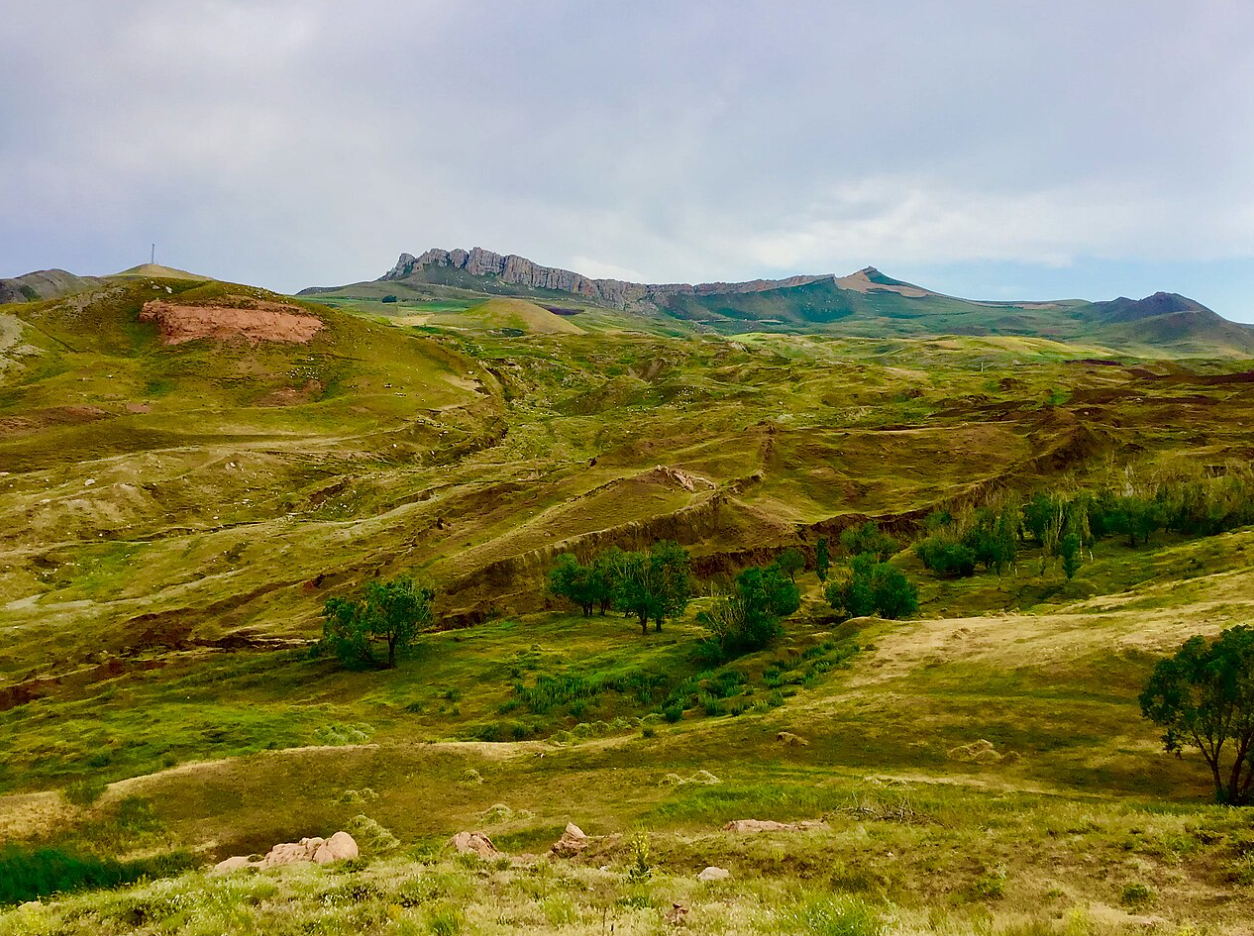
This formation has interested experts for decades due to its ship-like shape and dimensions, similar to the biblical description of Noah’s Ark and Mount Ararat’s mention in religious texts.
According to the Bible, the dimensions of the vessel were “a length of three hundred cubits, its width fifty cubits, and its height thirty cubits,” mirroring those of the Durupinar formation, “and the ark rested … upon the mountains of Ararat.” (Read more from “New Evidence Supports Noah’s Ark as Boat-Shaped Formation Dates Back to Biblical Floods” HERE)
_______________________________________________________________________
Astonishing New Marine Evidence Found at “Noah’s Ark” Site, Dates to Bible’s Biblical Floods
By Arezki Amiri. [A] team analyzing soil and rock samples from the Durupinar formation, a 538-foot geological structure near the Turkey-Iran border, has found traces of marine deposits, clay-like materials, and even remnants of seafood, sparking renewed debate about the biblical flood.
For decades, speculation has surrounded the Durupinar site, with some researchers arguing that its shape and dimensions match those described in biblical texts. But it wasn’t until recently that new scientific findings emerged. The samples collected from the site were sent to a laboratory in Istanbul, where tests revealed the presence of organic materials consistent with an ancient water-covered environment.
Among the most astonishing discoveries? Mollusc remains, indicating that this region—now a mountainous landscape—may have once been submerged. If Noah’s Ark truly existed, even the smallest creatures would have had a spot aboard, making the discovery of molluscs a particularly intriguing detail.
One of the biggest challenges in proving Noah’s Ark’s existence is finding scientific evidence that aligns with historical records. According to Genesis, the Great Flood occurred around 3300 BC.
The latest analysis of the materials found at the Durupinar formation suggests they date back between 3500 and 5000 years, placing them within the Chalcolithic period, an era in which ancient civilizations were beginning to develop advanced tools and settlements. (Read more about the new evidence for the biblical floods HERE)


