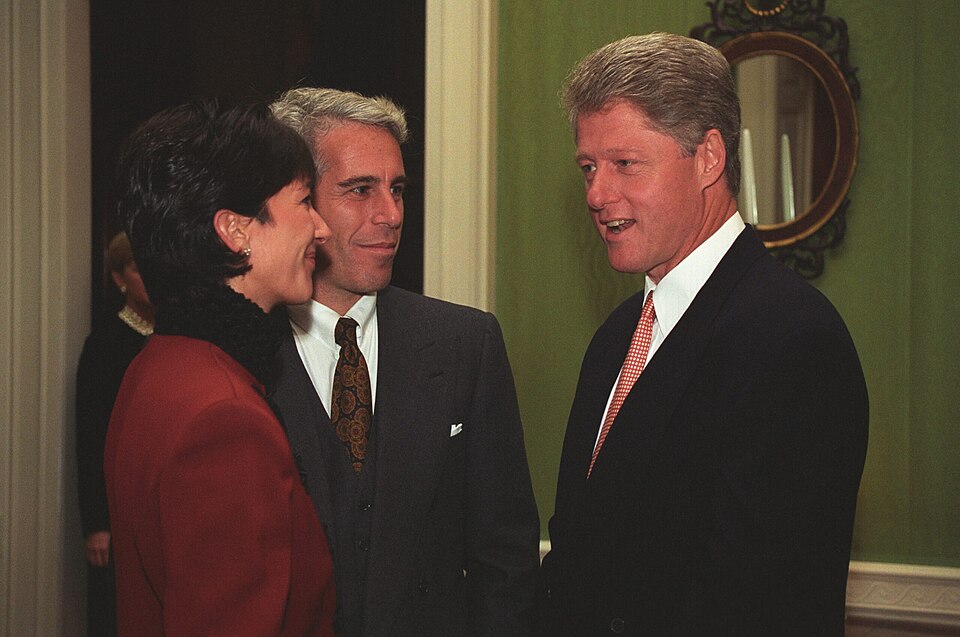
Congress Forces Release of Epstein Files After Trump U-Turn
In a stunning and nearly unanimous move, both the U.S. House of Representatives and the Senate voted this week to force the Department of Justice to release the long-sealed Jeffrey Epstein case files—ending months of political pressure, activist lobbying, and dramatic reversals from President Donald Trump himself.
The Epstein Files Transparency Act passed the House 427–1, then cleared the Senate without a single objection, fast-tracked through the chamber in a matter of hours. The bill now heads to President Trump, who—after long opposing the release and calling the matter a “Democrat hoax”—has signaled he will sign it into law.
Once signed, the Justice Department will have 30 days to release the full collection of investigative files related to Epstein and his co-conspirator Ghislaine Maxwell. Survivors and advocates have spent weeks calling this moment a historic breakthrough—though many observers warn that the final result may still fall short of full transparency.
For years, Trump had urged Republicans to avoid pushing for the release of Epstein documents, claiming Democrats were weaponizing the issue for political reasons. That changed abruptly this week, when Trump reversed course and declared that Republicans should support the bill.
He has since vowed to investigate the Democratic power players most associated with Epstein, including Bill Clinton, Larry Summers, Reid Hoffman, and executives connected to major financial institutions.
Notably, however, Trump has not publicly committed to probing Republicans who have been tied to Epstein socially or professionally.
Even with the bill set to become law, some legal experts and survivor advocates are raising a difficult possibility:
After years of stonewalling, legal shielding, and sealed evidence, key information may already be gone.
Under the bill:
The Attorney General may still withhold documents if releasing them would expose minors or jeopardize ongoing investigations.
Congress did not have to force this vote—Trump could have ordered full disclosure at any time.
The DOJ has already had five years since Epstein’s death to process, redact, or classify materials.
Rep. Thomas Massie, the Republican who helped lead the transparency push, warned that elite influence must not shape what the public ultimately sees.
“I hope those victims have confidence to come out and say the names,” he told BBC Newsnight, adding that lawmakers should not “create any special exemptions for these rich men who are worried about getting embarrassed.”
Survivors have echoed the same sentiment, telling lawmakers that anything less than full accountability would be “another betrayal.”