Iran Shuffles Military Leaders, Prepares for ‘Prolonged Confrontation’
Iran’s elusive Supreme Leader Mojtaba Khamenei appointed six new military commanders on Monday, most notably replacing Supreme National Security Council (SNSC) secretary Mohammad Baqer Zolqard with Mohsen Rezaei, a veteran commander of the terrorist Islamic Revolutionary Guard Corps (IRGC).
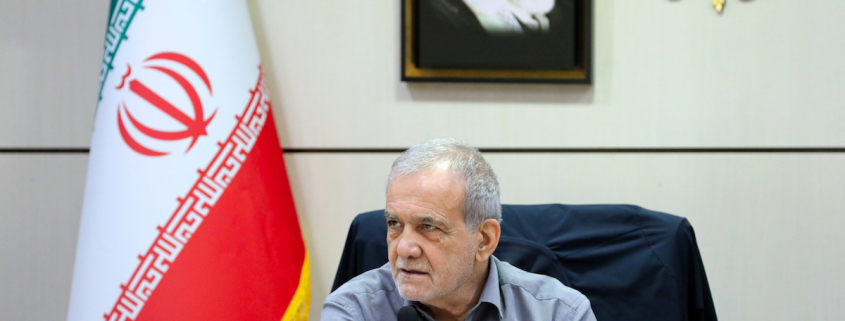
Radio Free Europe (RFE) noted on Monday that Iranian media had speculated for several days about the fate of Zolqard, who was rumored to have tendered his resignation to the chief executive of the secular wing of the Iranian regime, President Masoud Pezeshkian.
“The president formally chairs the SNSC, but in practice it’s the secretary who wields the greater operational influence, shaping the council’s actions more than the president himself. Even so, neither holds final say since every SNSC decision only becomes binding once the supreme leader signs off,” RFE explained.
Pezeshkian was evasive when asked about the rumors of Zolqard’s resignation, saying on Friday, “there are some differences that we are trying to resolve.”
According to Iranian media reports, Pezeshkian refused to accept Zolqard’s resignation, but the SNSC chief was nevertheless replaced on Monday. His final public act on Sunday was a belligerent declaration that Iran will not negotiate with the United States, or reopen the Strait of Hormuz to international traffic, unless the U.S. met a long list of Iranian demands, including an end to sanctions and paying war reparations. (Read more from “Iran Shuffles Military Leaders, Prepares for ‘Prolonged Confrontation’” HERE)